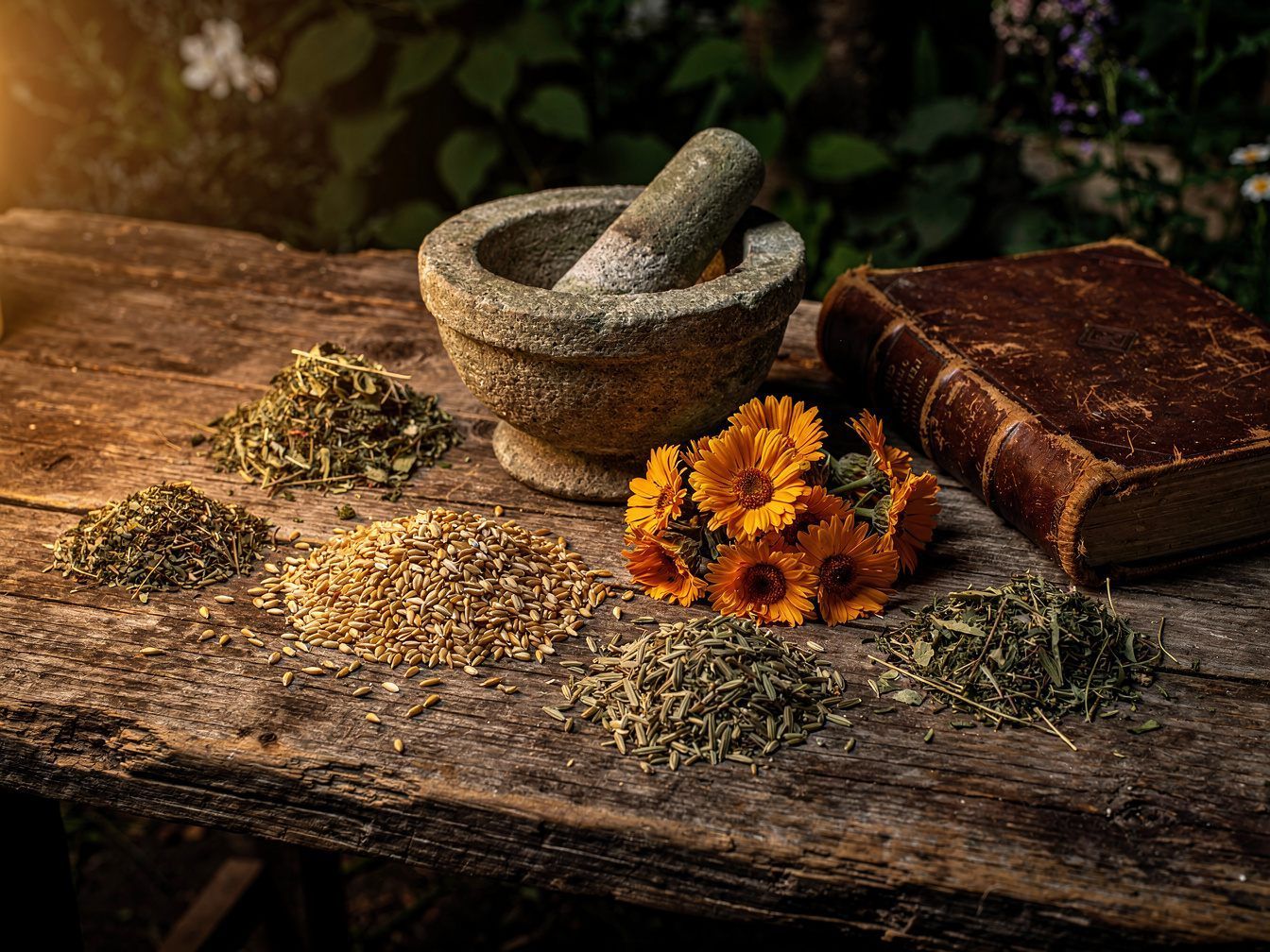
 Example image
Traditional Western Medicine
Traditional Western Medicine complements modern gynaecology with medicinal plants, nutrition and lifestyle principles from the European tradition.

Naturopathy · Bloodletting
Time-honoured medicine, under medical responsibility.
Are you interested in bloodletting as a naturopathic complement? At our practice in Munich's old town, we first check medically whether it is an option for you. For over 30 years, Prof. Dr. Schulte-Uebbing has combined conventional medicine, Traditional Western Medicine and naturopathy.
When to come to us
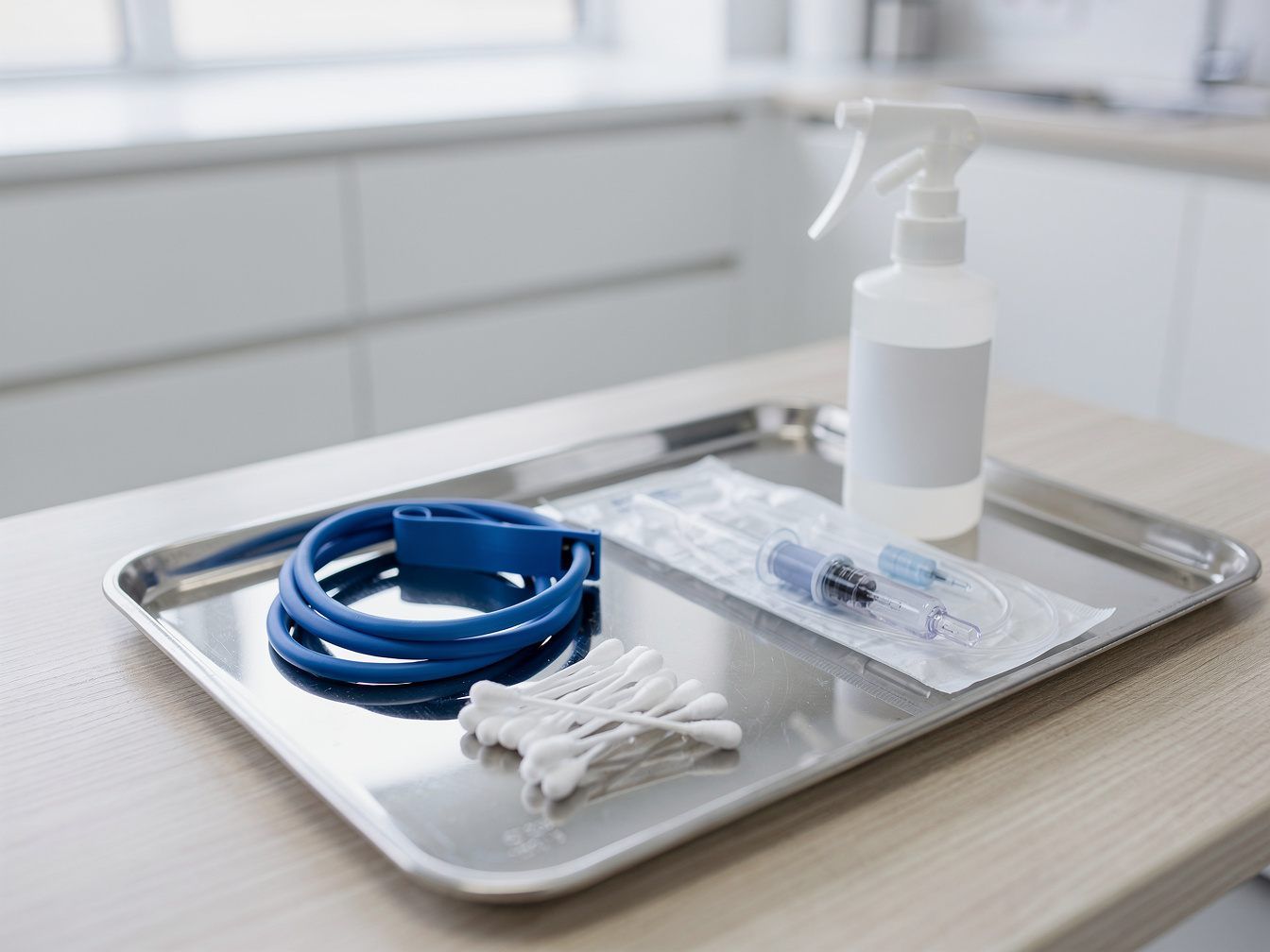
You know bloodletting from monastic medicine or the healing tradition of Hildegard von Bingen and would like to get to know it under medical supervision.
You are already receiving conventional treatment and are looking for a naturopathic method that can complement your treatment plan.
Your blood count or iron levels are abnormal. In that case, we first clarify the cause before bloodletting is discussed.
You would like to know what bloodletting is, what risks it carries and whether it suits you.
Our approach
Bloodletting is an intervention in the circulation and therefore belongs in medical hands. We take time for your history, ask about medication and pre-existing conditions and check your blood values. If there is a condition for which bloodletting is clearly medically indicated, it belongs under specialist care. As a traditional naturopathic method, we use bloodletting only as a complement, to support individual treatment plans. The aim is holistic support that combines conventional medicine and Traditional Western Medicine.
Naturopathic bloodletting complements guideline-based treatment but does not replace it; outside the medically clear-cut applications its effectiveness has not been proven, and whether it makes sense for you, we discuss openly.
Careful and personal
We discuss your symptoms, pre-existing conditions and medication. You learn how bloodletting works, what risks it carries and what alternatives exist.
Before bloodletting we check your blood values, especially the red blood pigment and the iron stores. In cases of anaemia or iron deficiency, bloodletting is not an option.
You lie or sit comfortably. A set amount of blood is taken from a vein in the arm. The procedure is similar to a blood donation.
After bloodletting you stay at the practice a little longer, drink enough and stand up slowly. This helps prevent circulation problems.
Bloodletting is one component. We coordinate it with the rest of your treatment and discuss whether and at what intervals a repeat may make sense.
From research
Over more than four decades, more than 400 scientific publications have been written – on gynaecology, oncology, environmental medicine, hormones, immunology and naturopathy. This knowledge informs every consultation with your gynaecologist in Munich.
Basiswissen “Tattoos” für Klinik und Praxis, gyn (29) 2024, S.271-275
PLACU- Therapie in der Gynäkologie (Platelet Acupuncture Therapy), Zeitschrift für Angewandte Komplementärmedizin, 05/ 2024, S. 60-65
Tätowierungen und mögliche gynäkologische Folgeerkrankungen, JATROS Gynäkologie und Geburtshilfe 2/ 2024, S.6 ff.
Integration der Traditionellen Westlichen Medizin (TWM) in die moderne Frauenheilkunde (Teil 5), Hildegard- Medizin: Beispiele für die Praxis, Zeitschrift für Angewandte Komplementärmedizin, 03/ 2024, S. 64 ff.
Is this right for me?
In cases of anaemia, iron deficiency, low blood pressure, severe cardiovascular disease and during pregnancy and breastfeeding, bloodletting is generally not an option. For certain blood disorders or iron overload, it belongs in specialist treatment. For acute symptoms: on-call medical service 116 117, in an emergency 112.
In four steps
Call us on 089 299655 or book online via Doctolib. Our practice is in Munich's old town, at Residenzstraße 9.
We take time for your history and determine your blood values. Bring previous findings and a list of your medication.
We discuss the findings and decide together whether bloodletting is an option for you or whether another path is more suitable.
Bloodletting takes place calmly at our practice. Afterwards you stay with us for a short while, and we discuss what happens next.
Transparent from the start
Naturopathic bloodletting is not a service of statutory health insurance. It is a self-pay service under the German fee schedule for doctors (GOÄ). Whether your private health insurance or Beihilfe (the state allowance for civil servants) covers costs depends on your policy. If bloodletting is medically necessary because of an illness, it is generally an insurance-funded service. We will tell you before the treatment what the costs will be.
What our patients say
“After moving to Munich, I was looking for a new gynaecologist and came across this practice. From the very first appointment I felt I was in very good hands. The whole practice team is exceptionally friendly. The medical assistants …”
“A very pleasant practice with friendly staff and a competent doctor. Getting an appointment was straightforward, the waiting time was short and I felt at ease from the start. Many thanks for the wonderful care!”
“Competent doctor!”
Expertise, clearly explained
The background in detail – click to expand.
In bloodletting, a set amount of blood is taken from a vein, usually in the arm. Technically this is similar to a blood donation. The body quickly replaces the lost fluid. Red blood cells and iron, by contrast, are rebuilt over a longer period. Bloodletting is one of the oldest methods in medicine. In naturopathy it is among the so-called eliminative methods. To be distinguished from this is bloodletting as part of modern medicine. For certain blood disorders and for pathological iron overload it is a recognised, guideline-based treatment. You should keep these two forms apart if you are thinking about bloodletting.
The roots of bloodletting go back to antiquity. Its basis was the theory of the four humours: according to this idea, illness arises when the body's fluids fall out of balance. Bloodletting was meant to remove an excess. In medieval monastic medicine it was widespread, including in the healing tradition of Hildegard von Bingen. The theory of the four humours is considered scientifically outdated today. Nevertheless, bloodletting is used in naturopathy, linked to the idea of relieving the circulation and stimulating the body's own regulation processes. Prof. Schulte-Uebbing has engaged with Traditional Western Medicine for many years and has published numerous contributions on it.
For some conditions, bloodletting is a fixed part of conventional treatment. These include certain blood disorders in which the body produces too many red blood cells. They also include disorders of iron metabolism in which too much iron is deposited in the body. Here the benefit is well documented. Diagnosis, monitoring and treatment belong in the hands of specialist doctors, usually in haematology or internal medicine. If corresponding blood values stand out at our practice, we raise it openly. We then recommend appropriate specialist assessment instead of carrying out naturopathic bloodletting.
Bloodletting puts strain on the circulation. Dizziness, a feeling of weakness, a drop in blood pressure up to and including fainting, and bruising at the puncture site are possible. In isolated cases infections or nerve irritation can occur. Repeated bloodletting can lead to iron deficiency and anaemia. We therefore check your blood values and circulation beforehand. In cases of anaemia, iron deficiency, low blood pressure, severe heart disease and during pregnancy and breastfeeding, we generally advise against it. If you take blood-thinning medication, please tell us beforehand. Previous circulation reactions during blood draws are also important to us.
Come well rested and not on an empty stomach. Drink enough beforehand, as you would before a blood donation. After bloodletting you should stand up slowly, drink plenty and take it easy for the rest of the day. Avoid sport, sauna and heavy physical work on that day. Whether you should drive yourself afterwards, we discuss with you beforehand. You can reach our practice by U-Bahn and S-Bahn via Marienplatz and Odeonsplatz in a few minutes' walk. If you feel dizzy or unwell after bloodletting, please contact us.
Good questions. Clear answers.
Can't find your question? Give us a call – we will take the time.
We set the amount individually, depending on your blood values, your circulation and how you feel. There is no fixed amount for everyone. We will tell you after the examination and explain why we decide on it.
You feel the needle go into the vein as with a blood draw. Afterwards the puncture site may be slightly sore, and sometimes a bruise appears. Tell us straight away if you feel dizzy during or after bloodletting.
That is individual. Whether and at what intervals a repeat may make sense depends on your blood values and how you feel. Before any further treatment, we check whether your body has made up for the blood loss.
No. With iron deficiency or anaemia, bloodletting would worsen the deficiency. The first step is then to find the cause, for example heavy periods, and to correct the deficiency. We also support you with this.
During pregnancy and breastfeeding, naturopathic bloodletting is generally not an option. Your body needs additional blood and iron at this time. If you have heavy bleeding or pain during pregnancy, please call 116 117 or, in an emergency, 112.
The procedure is technically similar, but the purpose is different. In blood donation, blood is collected for other people. In naturopathic bloodletting, the focus is on the idea of relieving your own body. A blood donation therefore does not replace medically supervised bloodletting, nor vice versa.
Hildegard von Bingen was an abbess and healer in the 12th century. She describes bloodletting in her writings on medicine. Today's Hildegard medicine takes up this tradition. In lectures and articles, Prof. Schulte-Uebbing has engaged with Hildegard's healing tradition; more about this on our Traditional Western Medicine page.
Naturopathic bloodletting is a self-pay service under the German fee schedule for doctors (GOÄ). If it is medically necessary because of an illness, it is generally an insurance-funded service. Private insurers reimburse depending on the policy. We will tell you before the treatment what the costs will be.
Where to read next
Example image
Traditional Western Medicine complements modern gynaecology with medicinal plants, nutrition and lifestyle principles from the European tradition.
 Example image
If we suspect pollutant or metal exposure, we first investigate and then support you individually.
 Example image
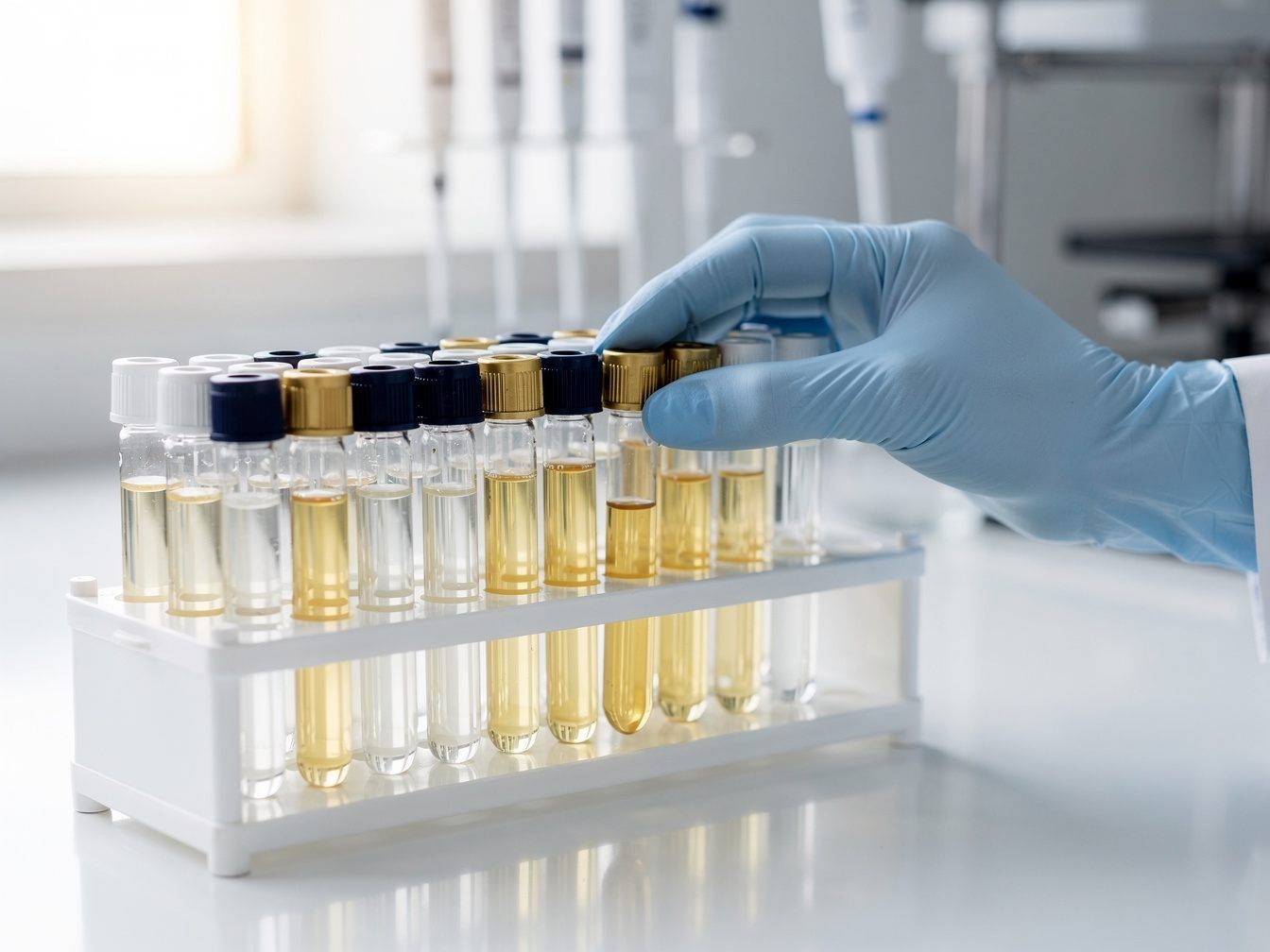
Laboratory tests and hormone analysis show what may be behind symptoms – as the basis for targeted, individual treatment.
We are happy to be there for you too
Do you have unexplained symptoms and would like medical advice, or are you coming to us with an existing diagnosis? We warmly welcome you to our practice in the centre of Munich.