
Cancer screening
We offer statutory cancer screening and extended screening with ultrasound and radiation-free breast diagnostics.

Gynaecology · Cancer aftercare
Not alone after therapy.
After cancer, a new chapter begins – with check-ups, questions and often with the after-effects of treatment. Prof. Schulte-Uebbing has worked for many years in gynaecological oncology and breast cancer. We support your aftercare and offer complementary, integrative treatments – always coordinated with your oncologists.

When to come to us
Surgery, chemotherapy or radiotherapy have been completed, and you are looking for a practice for regular aftercare.
Exhaustion, menopausal symptoms, vaginal dryness, joint pain or sleep problems are weighing on your everyday life.
You are taking anti-hormone medication after breast cancer and want to keep an eye on symptoms and bone health.
You want to contribute something yourself and are asking about diet, exercise, the immune system and integrative methods.
Our approach
Aftercare follows the current guidelines: regular consultations, physical examinations and the planned imaging, after breast cancer for example mammography and ultrasound. Beyond this we offer extended, integrative support. We ask about your symptoms, quality of life and worries and look at the immune system, hormones, metabolism and possible environmental exposures. We coordinate complementary methods such as immune and strengthening infusions or acupuncture with your oncologists, including timing and composition. They do not replace oncological therapy.
Integrative methods such as infusions or acupuncture complement oncological treatment and aftercare, they never replace it; their effectiveness has not been scientifically demonstrated for every application, and we discuss openly, together with your treating team, what makes sense for you.
Careful and personal
Consultations, gynaecological examination, manual breast examination and ultrasound according to the recommended plan. We arrange mammograms at the intervals provided.
Ultrasound elastography, ultrasound CT and Mammovision can complement aftercare without radiation. Where a mammogram is recommended, they do not replace it.
We treat menopausal symptoms, vaginal dryness and sleep problems – in hormone-dependent cancer with hormone-free options, such as vaginal vitamin D formulations.
We put together infusions with vitamins, amino acids and micronutrients individually – coordinated in timing and content with your oncological treatment.
We use acupuncture and ear acupuncture as a complement, for example for exhaustion, pain or digestive complaints. The aim is to support your well-being.
We advise on diet, exercise and hormone-like substances in everyday life. If heavy metal exposure has been confirmed, we discuss detoxification.
From research
Over more than four decades, more than 400 scientific publications have been written – on gynaecology, oncology, environmental medicine, hormones, immunology and naturopathy. This knowledge informs every consultation with your gynaecologist in Munich.
Endokrine Disruptoren, v. a. ubiquitäre Phthalate (in Nahrung, Kosmetika, Parfüm etc.) als wichtige (Teil-)Ursache chronischer Krankheiten und Tumoren, Krebskongress, München, 18.5.2019
Stoffwechsel-Merkmale der Tumorzellen als Ziel komplementärer Therapien, Deutsche Zeitschrift für Onkologie 2018; (50), 1-15
Aluminium als Endokriner Disruptor und mögliche (Teil) Ursache des hormonabhängigen Mammakrazinoms, gyn (22), 2017, S. 6-16
Aluminium und Mammakarzinom, Gyn- Aktiv, 6-2016, S.16
Is this right for me?
The cancer therapy itself – surgery, chemotherapy, radiotherapy or anti-hormone therapy – is in the hands of your oncology treatment team. Please have new lumps, unusual bleeding or persistent pain checked promptly. If you have a fever during chemotherapy, contact your oncology centre immediately, in an emergency call 112, otherwise the on-call medical service on 116 117.
In four steps
By phone on 089 299655 or online via Doctolib. Please bring doctors' letters, your aftercare record and current findings.
We take time for your story, your symptoms and questions and examine you gynaecologically, including the breast and ultrasound.
We set the appointments according to the guidelines and discuss which complementary methods make sense – coordinated with your oncology team.
We support you through the years of aftercare, treat the after-effects of therapy and adapt the plan to your situation.
Transparent from the start
Patients with statutory (GKV) or private health insurance are warmly welcome at our practice. Statutory health insurers cover guideline-based aftercare. Complementary services such as Mammovision, ultrasound elastography, ultrasound CT, immune and strengthening infusions, acupuncture and extended laboratory tests are generally self-pay services under the German Fee Schedule for Doctors (GOÄ); private insurers reimburse depending on the plan. We will tell you before treatment which costs to expect.
What our patients say
“Competent doctor!”
“Absolutely recommendable! Both the professor and the staff are competent, kind and friendly.”
“Wonderful doctor. I went there with my wife to accompany her because she was so terribly afraid. She says so herself too. He is very empathetic and gives you a great feeling of being in very, very good hands there. The team is lovely and …”
Expertise, clearly explained
The background in detail – click to expand.
Aftercare begins when the initial treatment of a cancer has been completed. It has several aims: to detect a recurrence or a new disease early, to treat the after-effects of therapy and to support you on your way back into everyday life. After breast cancer it follows a fixed plan with consultations, physical examinations and regular breast imaging; in the first years the intervals are shorter, later longer. Cancers of the uterus, ovaries or cervix have their own aftercare plans. Your questions are just as important: about symptoms, sexuality, diet, exercise, work and worries. Which examinations beyond the guideline make sense, we discuss individually with you.
Integrative oncology combines guideline-based cancer treatment with complementary methods from naturopathy and lifestyle medicine. The aim is not to treat cancer by other means. The aim is to ease symptoms, improve quality of life and give you ways to become active yourself. There are good indications that regular exercise can ease exhaustion and improve well-being. For many other methods the evidence is less clear. Our practice offers extended cancer prevention, therapy and aftercare as well as integrative, individual cancer therapies – always as a complement. Among other things, Prof. Schulte-Uebbing has published “Breast cancer: holistic prevention and aftercare” (ZAEN, 2011) and “Integrative therapy of breast carcinoma” (ZAEN, 2012).
Depending on their composition, immune and strengthening infusions contain vitamins such as vitamin C, amino acids, trace elements and other micronutrients. They are put together individually. The concept rests on the idea of supporting the immune system and metabolism during and after cancer therapy and compensating for deficiencies. Immune infusion in cancer therapy is one of the topics Prof. Schulte-Uebbing has addressed in his publications. The right timing is important: some substances, such as high-dose antioxidants, can interact with chemotherapy or radiotherapy. That is why we always coordinate composition and timing with your oncologists. The effectiveness of such infusions has not been sufficiently demonstrated scientifically; they do not replace oncological therapy.
Chemotherapy and anti-hormone therapy often trigger menopausal symptoms: hot flushes, sleep disturbance, joint pain and a dry, sensitive vagina. In hormone-dependent breast cancer, oestrogens are often not permitted. Hormone-free routes are then needed, such as lubricants, moisturising vaginal care, exercise, acupuncture or herbal remedies coordinated with oncology. Prof. Schulte-Uebbing has worked on vaginal vitamin D formulations as a hormone-free option, for example in “What to do about oestrogen-deficiency colpitis when oestrogens are strictly contraindicated?” (gyn, 2014). Colpitis means inflammation of the vagina. There is no general guideline recommendation for vitamin D in the vagina. Whether such a formulation is suitable for you, we discuss openly – also with your oncology team.
One research focus of Prof. Schulte-Uebbing is endocrine disruptors: substances that can act like hormones in the body. They include plasticisers from plastics, fragrances, certain metals and aluminium compounds, for example from deodorants. He has studied what role they might play in hormone-dependent tumours such as breast cancer, for example in “Does aluminium cause breast cancer?” (German Journal of Oncology, 2015) and “Prevention of breast carcinoma – endocrinological and toxicological aspects” (Prevention and Rehabilitation, 2015). How great the influence of such substances is has not been conclusively established scientifically. Less exposure in everyday life, however, is a step you can take yourself. That is another reason why our practice is nicotine-free and perfume-free. If exposure to heavy metals has been confirmed, we discuss detoxification.
After hormone-dependent breast cancer, many women take anti-hormone medication for several years. Depending on the active substance, it can encourage bone loss, joint pain, weight gain or mood swings. That is why bone health, vitamin D, exercise and cardiovascular health belong in aftercare. If needed, we check vitamin D and bone metabolism, recommend a bone density measurement when it makes sense, and advise on exercise and diet. We take symptoms seriously, because they are a common reason for stopping therapy. Please never stop anti-hormone medication on your own. Talk to us and your oncology team – there are often ways to make the therapy better tolerated.
Good questions. Clear answers.
Can't find your question? Give us a call – we will take the time.
No, never. Surgery, chemotherapy, radiotherapy, anti-hormone and targeted therapies are the foundation of your treatment. Integrative methods complement them with the aim of easing symptoms and supporting your well-being. We coordinate everything with your oncologists.
Yes. Aftercare following breast cancer or a gynaecological cancer is often provided at a gynaecology practice. Please bring your doctors' letters and findings. We set the appointments according to the guidelines and, if you wish, stay in touch with your hospital or oncology practice.
Yes. Alongside aftercare, our practice offers extended, integrative support during therapy, for example for exhaustion, menopausal symptoms or questions about diet and the immune system. The treatment itself remains with your oncology team, with whom we coordinate.
No. Mammovision, ultrasound CT and ultrasound elastography are complementary, radiation-free methods. Where the guideline provides for a mammogram, they do not replace it. They can provide additional information. We discuss openly whether this makes sense for you.
Only in consultation with your oncology team. Some substances, such as high-dose antioxidants, can interact with chemotherapy or radiotherapy. That is why we agree composition and timing together. The interval from therapy is often decisive.
Regular exercise, a balanced diet, a healthy weight, giving up smoking and little alcohol are recommended in the guidelines. Many women also reduce fragrances, plasticisers and aluminium in everyday life. Talking, for example at a cancer counselling centre or support group, can also be a relief.
In hormone-dependent breast cancer, oestrogens are often not permitted. Hormone-free options are lubricants, moisturising care, pelvic floor training and – after consultation – vaginal vitamin D formulations, on which Prof. Schulte-Uebbing has published. We examine you, rule out inflammation and look together for a way forward.
That depends on the type of your cancer and the current guidelines. In the first years after treatment the intervals are shorter, later they become longer. At the start we set your personal plan together and discuss when the next imaging is due.
Statutory health insurers cover guideline-based aftercare. Complementary services such as Mammovision, ultrasound elastography, immune and strengthening infusions, acupuncture and extended laboratory tests are mostly self-pay services under the German Fee Schedule for Doctors (GOÄ). We will tell you beforehand which costs to expect.
Where to read next
We offer statutory cancer screening and extended screening with ultrasound and radiation-free breast diagnostics.
 Example image
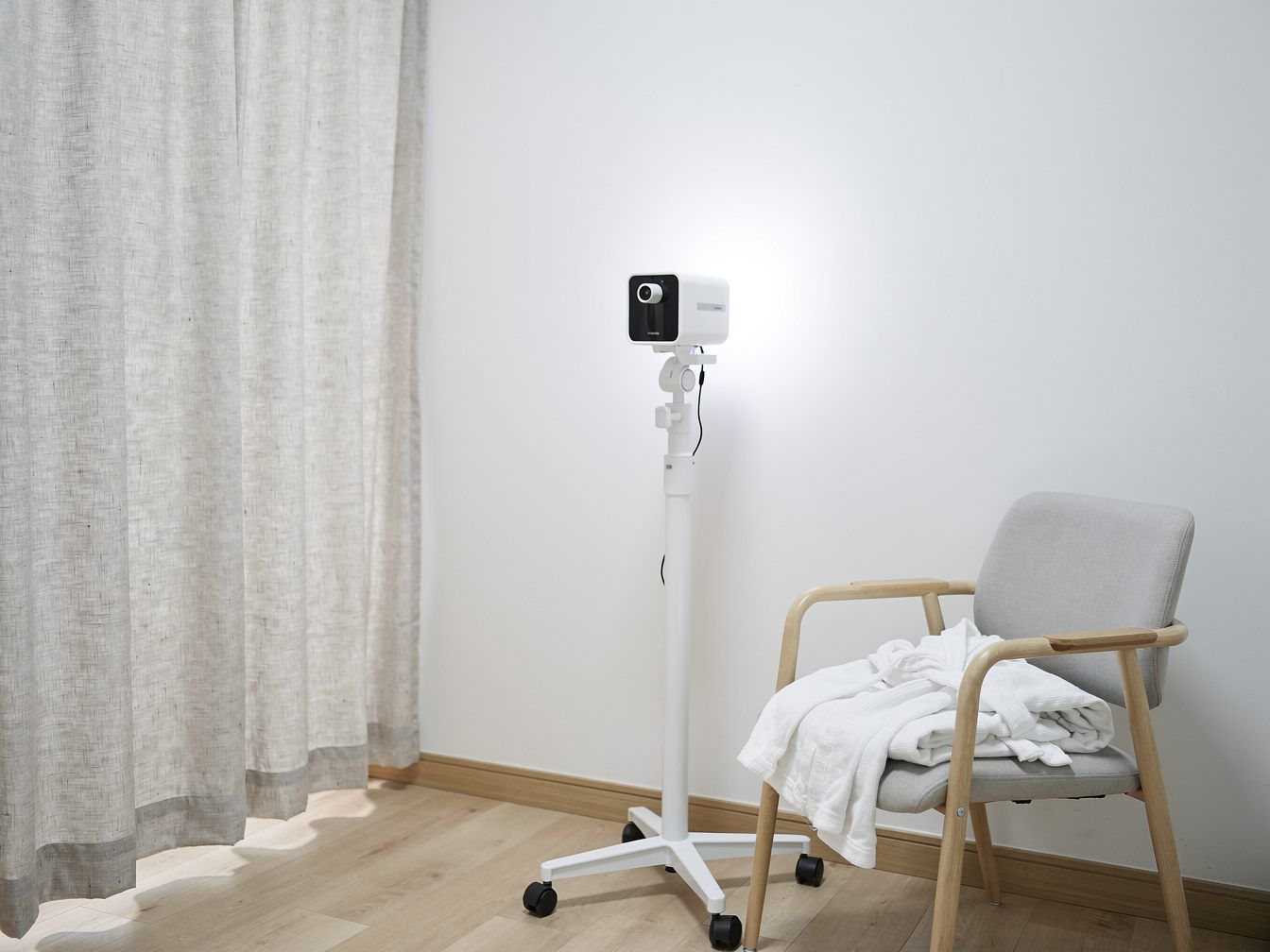
Mammovision examines the breast with infrared, without radiation – as a complement to preventive care, not a replacement for mammography.
 Example image
Immune infusions with vital nutrients are intended to support your immune system – individually put together and medically supervised.
We are happy to be there for you too
Do you have unexplained symptoms and would like medical advice, or are you coming to us with an existing diagnosis? We warmly welcome you to our practice in the centre of Munich.