 Example image
Mammovision
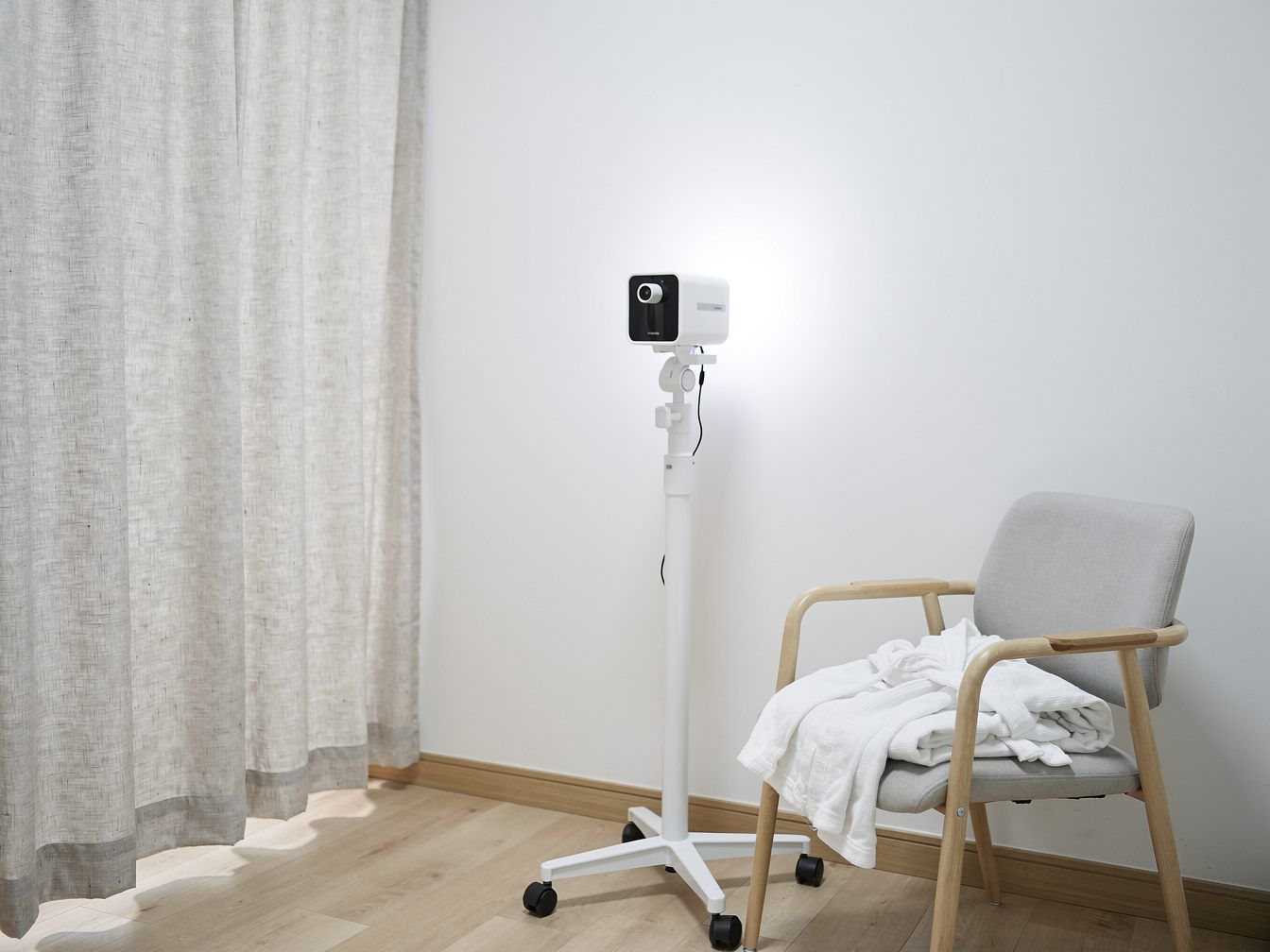
Mammovision examines the breast with infrared, without radiation – as a complement to preventive care, not a replacement for mammography.

Gynaecology · Cancer screening
Thoroughly examined. Discussed without rush.
Regular screening helps to detect changes early. At our practice in Munich's old town you receive statutory cancer screening and, if you wish, extended cancer screening. This includes ultrasound, radiation-free breast diagnostics and detailed advice from Prof. Dr. Schulte-Uebbing.

When to come to us
Statutory cancer screening is a fixed appointment once a year. We take time for it and answer your questions without rush.
Would you also like an ultrasound of the uterus, ovaries or breast? We advise you on which addition makes sense for you.
Mammovision and ultrasound elastography examine the breast without X-rays. They complement mammography where it is recommended – but do not replace it.
If there is a family history, a lump you can feel or an abnormal smear, we discuss what further investigation should look like.
Our approach
The foundation is statutory cancer screening according to the guidelines in force. If you wish, we supplement it with extended cancer screening. We begin with a detailed conversation about your medical history, family history and wishes. Then we decide together which additional examinations make sense in your situation. This can be an ultrasound of the uterus and ovaries or radiation-free breast diagnostics with Mammovision, ultrasound elastography or ultrasound CT. We explain every finding clearly. If something needs further investigation, we discuss the next steps openly. Prof. Dr. Schulte-Uebbing has also worked scientifically on integrative breast cancer screening for many years.
Mammovision, ultrasound elastography and ultrasound CT are complementary, radiation-free methods: where a mammogram is recommended they do not replace it, and a normal finding does not reliably rule out a disease.
Careful and personal
We examine the external and internal genitals and palpate the pelvic organs. This includes a conversation about symptoms and changes since your last appointment.
The cell smear (Pap test) and – depending on age – an HPV test are used for the early detection of cervical cancer and its precursors.
We palpate the breast and the lymph nodes in the armpits and show you how to examine your own breasts.
As part of extended screening, we assess the uterus, uterine lining and ovaries by ultrasound. The examination is gentle and radiation-free.
Mammovision, ultrasound elastography and ultrasound CT complement the breast examination without X-rays – as an addition, not as a replacement for a recommended mammogram.
If needed, laboratory analyses complement screening. We discuss with you which values make sense – not every laboratory value is suitable for early detection.
From research
Over more than four decades, more than 400 scientific publications have been written – on gynaecology, oncology, environmental medicine, hormones, immunology and naturopathy. This knowledge informs every consultation with your gynaecologist in Munich.
Die Infrarot- Radiographie in der Integrativen Brustkrebs- Prävention, Forum Komplementäre Onkologie / Immunologie, Die Naturheilkunde, 5- 2015
Prävention des Mammakarzinoms – endokrinologische und toxikologische Aspekte. Die Rolle von Östrogendominanz, Schilddrüsenunterfunktion, Morbus Hashimoto, NNR-Schwäche, Progesteron- und Insulinresistenz – mögliche Effekte endokriner Disruptoren, Prävention und Rehabilitation, Jahrgang 27, Nr. 1/ 2015, S. 26–37
MammoVision, ein neues Brustkrebs- Vorsorge-Verfahren, Ihre Gesundheit Sept. 2013, S. 14-15
SCHULTE-UEBING, C.: Diagnose Brustkrebs: Vorsorge, Ursache, Therapie, Antenne Bayern München, 5-2013. www.antenne.de/tipp
Is this right for me?
A new lump in the breast, discharge from the nipple or bleeding after the menopause should not wait until your next check-up: please call us promptly. For heavy bleeding or sudden severe pain you can reach the on-call medical service on 116 117, in an emergency call 112.
In four steps
Call us on 089 299655 or book online via Doctolib. Please tell us if you would like extended screening.
We talk about your medical history and family history. This is followed by the gynaecological examination, the smear and the breast examination.
At your request and after weighing it up together, we add an ultrasound or radiation-free breast diagnostics.
We explain the results clearly. If something needs further investigation, we plan the next steps with you.
Transparent from the start
Statutory health insurance (GKV) covers cancer screening at set intervals. Privately insured patients are billed according to their plan. For patients with statutory insurance, extended cancer screening is generally a self-pay service under the German Fee Schedule for Doctors (GOÄ). This includes, for example, an ultrasound without a specific reason or radiation-free breast diagnostics. We will tell you before the examination which costs to expect. That way you can decide in your own time which addition you want.
What our patients say
“Competent doctor!”
“Absolutely recommendable! Both the professor and the staff are competent, kind and friendly.”
“Wonderful doctor. I went there with my wife to accompany her because she was so terribly afraid. She says so herself too. He is very empathetic and gives you a great feeling of being in very, very good hands there. The team is lovely and …”
Expertise, clearly explained
The background in detail – click to expand.
Statutory health insurance (GKV) covers a fixed early detection programme for women. From the age of 20 this includes one gynaecological examination a year. Between 20 and 34, an annual cell smear from the cervix, the so-called Pap test, is added. From 35, the smear is combined every three years with a test for human papillomavirus (HPV). From 30, the breast and the lymph nodes in the armpits are palpated once a year. Women between 50 and 75 can take part in mammography screening every two years. This programme is the basis. What goes beyond it and makes sense for you, we discuss in a consultation.
Extended cancer screening goes beyond the statutory programme. It often includes a vaginal ultrasound. This shows the uterus, the uterine lining and the ovaries. In this way, fibroids, cysts or changes in the lining can be detected, for example. An ultrasound of the breast can complement the manual examination, especially with dense breast tissue. An honest assessment matters: not every additional examination makes sense for every woman. A normal finding does not reliably rule out a disease. Conversely, an incidental finding can lead to further tests that later turn out to be harmless. That is why we discuss benefits and limits with you beforehand.
Besides manual examination, ultrasound and mammography there are complementary methods that do not use X-rays. Mammovision is an infrared examination of the breast: it measures the heat radiated by the skin and displays temperature differences as an image. Ultrasound elastography uses ultrasound to check how firm or elastic tissue is. This helps to place a finding in context. Ultrasound CT uses high-frequency ultrasound and produces cross-sectional images. All three methods complement breast diagnostics. Where a mammogram is recommended, for example in the screening programme or with a suspicious finding, they do not replace it. You can read more on our pages on Mammovision and ultrasound elastography.
Screening is not only about early detection. Lifestyle also influences cancer risk: smoking, alcohol, marked overweight and little exercise are considered risk factors that you can influence yourself. Examine your own breasts regularly; we are happy to show you how. Watch for changes such as lumps, dimpled skin or bleeding outside your period, and raise them with us. Where breast or ovarian cancer runs in the family, genetic counselling may make sense; there are specialist centres for this. Prof. Dr. Schulte-Uebbing also works on hormonally active substances from the environment. We also advise on this if you wish.
Prof. Dr. Schulte-Uebbing has also worked on integrative breast cancer screening scientifically for many years. On radiation-free methods he published, among other things, “Breast elastography and high-frequency ultrasound CT. Two radiation-free complementary methods” (Journal for Physicians of Naturopathy, 2011). Another article is “Infrared radiography in integrative breast cancer prevention” (Die Naturheilkunde, 2015). Together with R. Berz he compared Mammovision with mammography and ultrasound. The article appeared in 2013 in the specialist book “Medical Infrared Imaging” (CRC Press). This work feeds into the consultation: we explain what the individual methods can do and where their limits lie. A selection of his publications can be found on our Publications page.
Good questions. Clear answers.
Can't find your question? Give us a call – we will take the time.
Statutory screening provides for an annual gynaecological examination from the age of 20. Depending on age, the smear is taken annually or every three years together with an HPV test. When additional examinations make sense depends on your age, medical history and family history. We discuss this together.
Statutory cancer screening is a fixed programme covered by the health insurer. Extended cancer screening supplements it with examinations such as an ultrasound of the uterus and ovaries or radiation-free breast diagnostics. For patients with statutory insurance it is mostly a self-pay service. We advise you on which addition makes sense for you.
No. Mammovision, ultrasound elastography and ultrasound CT are complementary, radiation-free methods. Where a mammogram is recommended – for example in the screening programme from the age of 50 or with a suspicious finding – they do not replace it. They can provide additional information if you would like to complement your breast examination without X-rays.
The examinations are short and generally easy to tolerate. The smear and the vaginal ultrasound can feel briefly uncomfortable but usually do not hurt. Tell us at any time if anything is uncomfortable. We explain each step beforehand and take time for you.
If possible, do not schedule the smear during your period. In the days before, avoid vaginal douches, suppositories or creams in the vagina, as they can distort the result. Bring any existing findings and earlier mammography or ultrasound images. If you have questions, note them down beforehand.
An abnormal finding does not automatically mean cancer. Many changes are harmless or resolve on their own, such as mild cell changes on the cervix. We explain the result to you and discuss the next steps. This may be a follow-up check, a further examination or a referral.
Your statutory health insurer covers statutory cancer screening. Additional examinations without a specific medical reason are mostly self-pay services for patients with statutory insurance, under the German Fee Schedule for Doctors (GOÄ). Private health insurers reimburse depending on the plan. We will tell you before the examination which costs to expect.
Statutory cancer screening begins at 20. Younger women can also come to us at any time with questions or symptoms. From 30, the manual breast examination is added, and between 50 and 75, mammography screening. There is no upper age limit for the gynaecological examination.
Where to read next
Example image
Mammovision examines the breast with infrared, without radiation – as a complement to preventive care, not a replacement for mammography.
 Example image
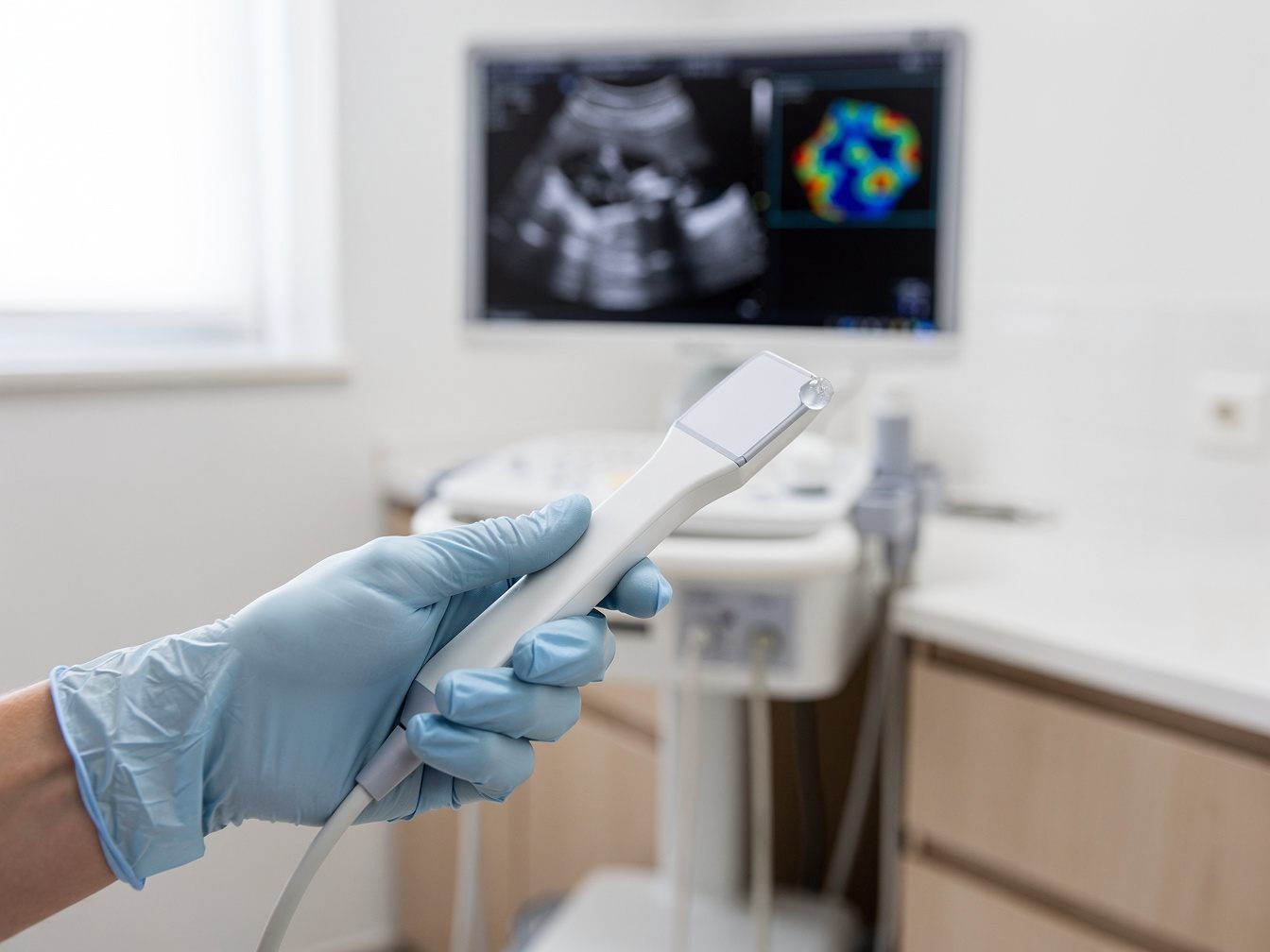
Ultrasound elastography measures the firmness of tissue and may help to classify findings on breast ultrasound more precisely.
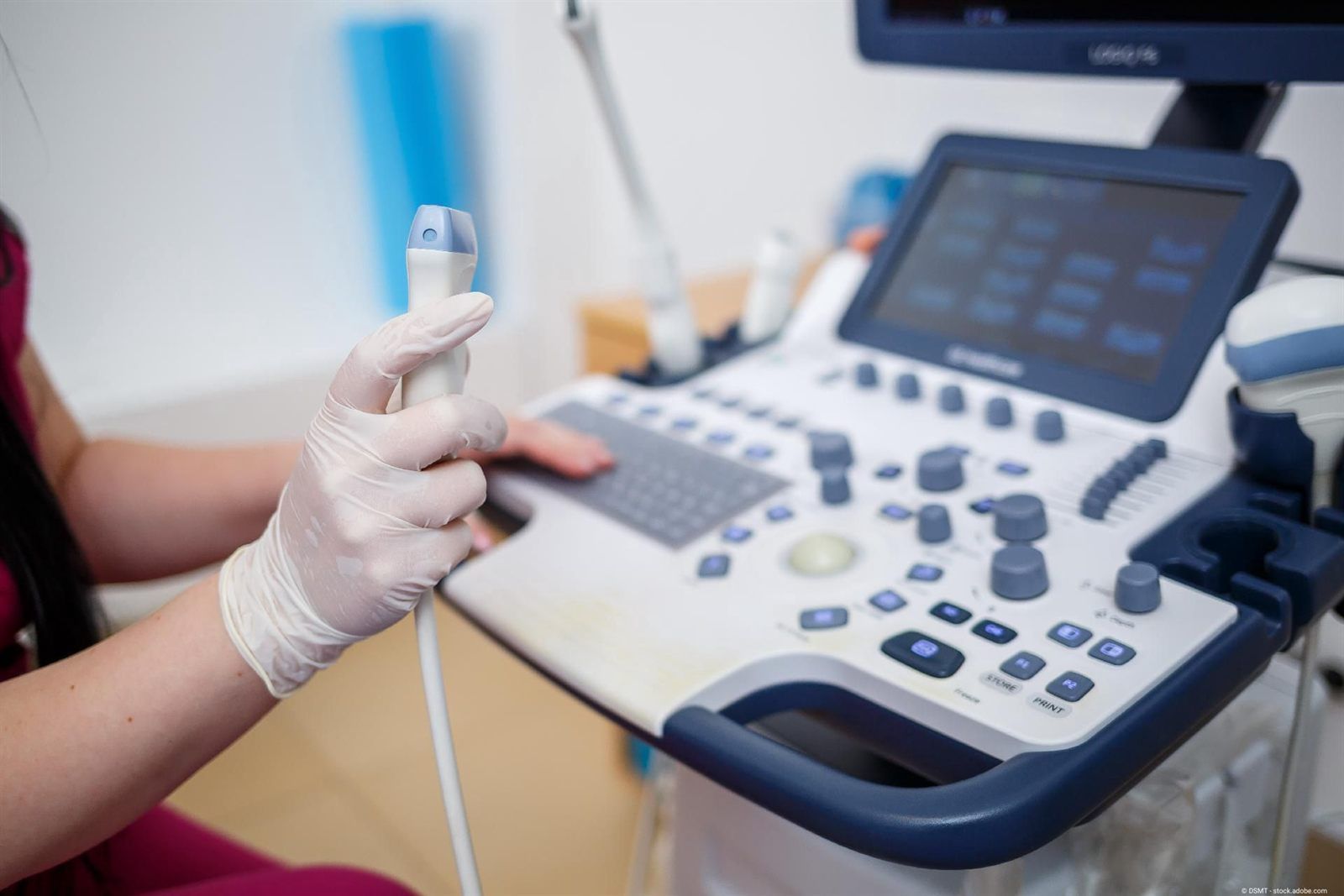
Ultrasound and 4D ultrasound show the uterus, ovaries and breast gently, without radiation and in real time.
We are happy to be there for you too
Do you have unexplained symptoms and would like medical advice, or are you coming to us with an existing diagnosis? We warmly welcome you to our practice in the centre of Munich.