Pain therapy
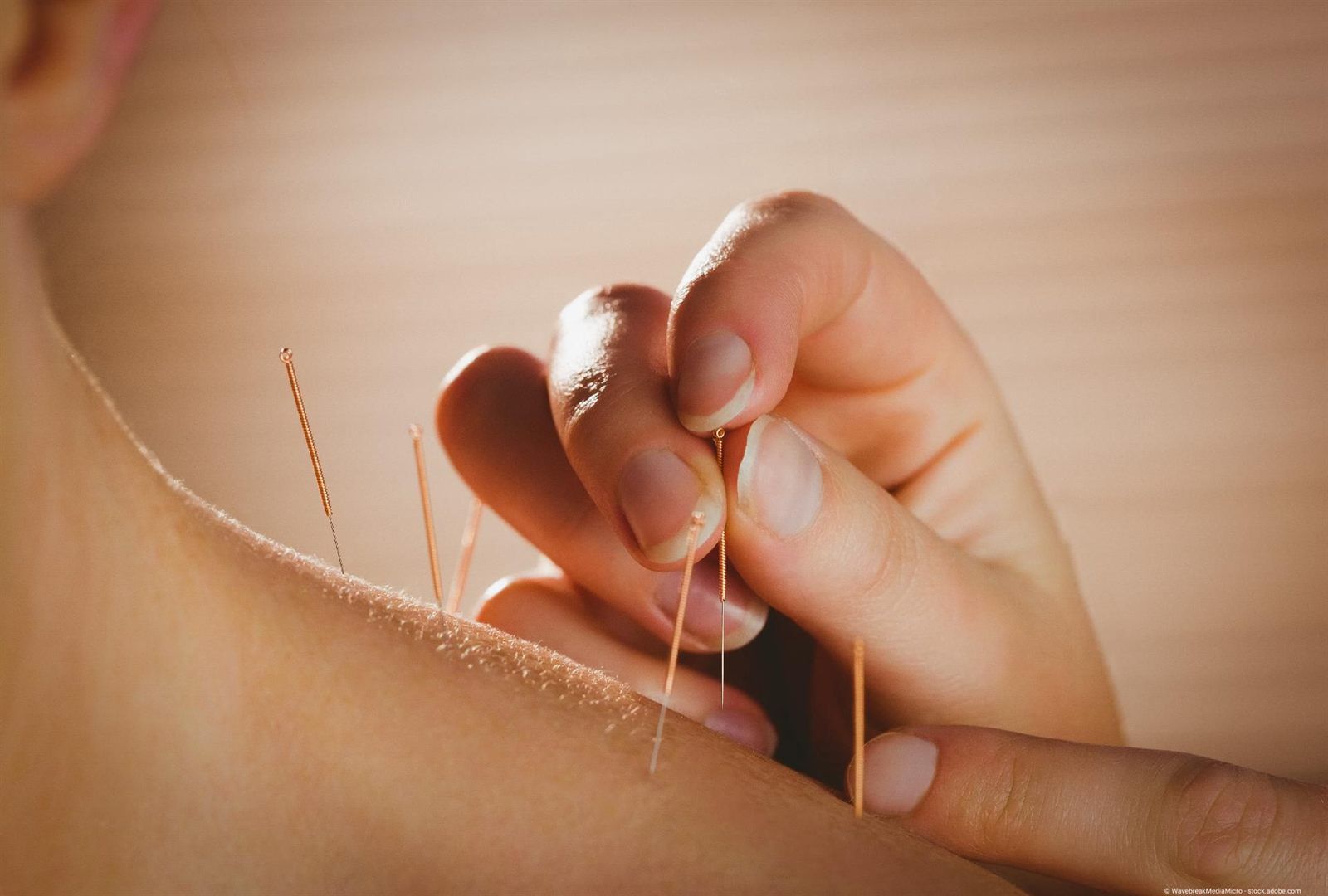
Our holistic pain therapy combines medical assessment with acupuncture, neural therapy, mesotherapy, PRP and infusions – individually tailored.

PRP therapy · PRP for joints
Thoroughly assessed first. Treated as a complement.
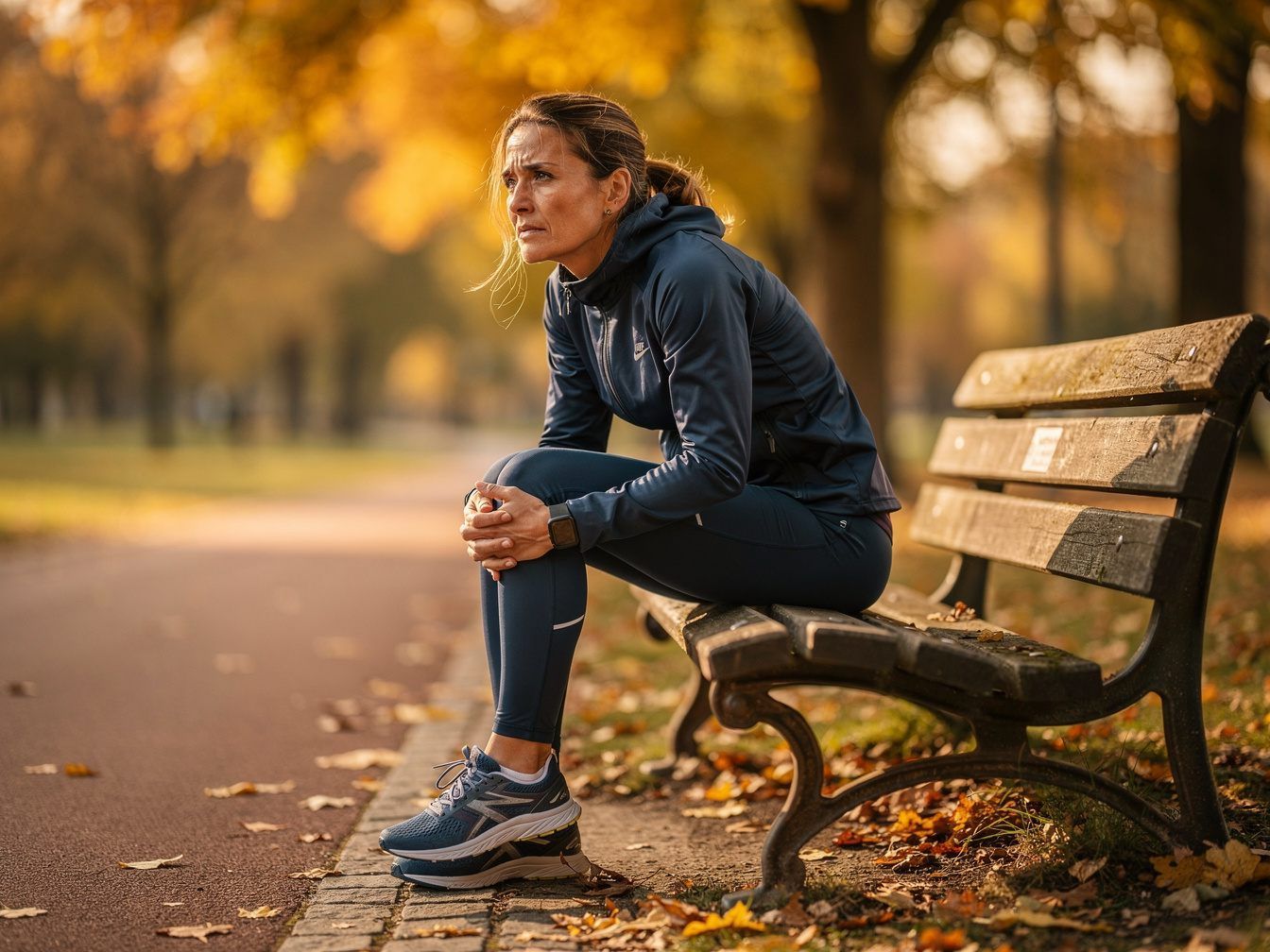
Pain in the knee, shoulder, elbow or Achilles tendon can severely limit everyday life. Alongside orthopaedic treatment, we offer PRP therapy at our practice in Munich. We inject platelet-rich plasma from your own blood in a targeted way into a joint, tendon or ligament.
When to come to us
Osteoarthritis – wear of the joint cartilage – shows itself in the knee, for example, as start-up pain, stiffness or swelling.
Long-lasting pain where tendons attach, for example at the elbow (“tennis elbow”), the shoulder or the Achilles tendon.
After injuries or persistent overuse, ligaments often recover slowly and stay sensitive for a long time.
Your symptoms have been assessed orthopaedically, and you are looking for a complementary treatment using the body's own components.
Our approach
Complaints affecting joints, tendons and ligaments belong first in orthopaedic hands. Depending on the complaint, an examination, X-ray, ultrasound or MRI scan is needed to establish the cause. Please bring these findings with you. We discuss whether PRP can sensibly complement your existing treatment, for example alongside physiotherapy and exercise. The method is based on the idea that growth factors from the platelets support the body's own regeneration processes. From a holistic perspective, we also consider inflammation, metabolism and hormones, which can influence pain.
PRP is a complementary method with inconsistent study evidence – it does not replace orthopaedic diagnosis or treatment, and we discuss openly whether it is suitable.
Careful and personal
We look at your orthopaedic findings and images and ask about the course of your symptoms, previous treatments and medication.
We draw a small amount of blood from an arm vein into special tubes.
In the centrifuge, the blood separates into its components. We obtain the platelet-rich plasma for the injection.
Under sterile conditions, we inject the plasma into a tendon or ligament or into the joint – depending on the findings and where the symptoms are.
Pain, warmth or swelling may occur temporarily. You will receive advice on loading, cooling and suitable painkillers.
From research
Over more than four decades, more than 400 scientific publications have been written – on gynaecology, oncology, environmental medicine, hormones, immunology and naturopathy. This knowledge informs every consultation with your gynaecologist in Munich.
PLACU- Therapie in der Gynäkologie (Platelet Acupuncture Therapy), Zeitschrift für Angewandte Komplementärmedizin, 05/ 2024, S. 60-65
Is this right for me?
In the case of a recent injury, sudden severe swelling, redness or fever, the joint must be examined by a doctor straight away. Outside consultation hours, the medical on-call service on 116 117 can help; in an emergency, call 112. PRP is not an option in clotting disorders, infections, active cancer, or during pregnancy and breastfeeding.
In four steps
By phone on 089 299655 or online via Doctolib. Bring orthopaedic findings, images and your medication list.
We discuss your symptoms and findings and examine the affected area. If an assessment is missing, we recommend that first.
Together we decide whether PRP complements your treatment, how often it is given and what the costs will be.
Blood draw, processing and injection usually take place in the same appointment. We discuss progress with you.
Transparent from the start
PRP treatment for joint complaints is generally not covered by statutory health insurance (GKV). For patients with statutory insurance, it is a self-pay service, billed under the German Fee Schedule for Physicians (GOÄ). Private health insurers reimburse PRP differently depending on the plan and reason for treatment; please ask them in advance. We will tell you before treatment what the costs will be.
What our patients say
“After moving to Munich, I was looking for a new gynaecologist and came across this practice. From the very first appointment I felt I was in very good hands. The whole practice team is exceptionally friendly. The medical assistants …”
“A very pleasant practice with friendly staff and a competent doctor. Getting an appointment was straightforward, the waiting time was short and I felt at ease from the start. Many thanks for the wonderful care!”
“Competent doctor!”
Expertise, clearly explained
The background in detail – click to expand.
In osteoarthritis, the cartilage that covers the joint surfaces wears away. The joint hurts, becomes stiffer and can swell; the knee, hip and fingers are particularly often affected. Tendons connect muscles to bones. If they are overloaded over a long time, painful irritation develops where the tendons attach, for example in tennis elbow or at the Achilles tendon. Ligaments connect bones to one another and stabilise the joints. Tendons and ligaments have only a poor blood supply and therefore often take a long time to recover. Which structure is affected is established by the orthopaedic examination, often supplemented by ultrasound, X-ray or MRI.
PRP stands for platelet-rich plasma. When an injury occurs, platelets release growth factors and messenger substances involved in healing. PRP treatment is based on the idea of concentrating these substances where tissue repairs itself only slowly. In a joint, PRP is also intended to dampen inflammatory processes. The aim is to support the body's own regeneration processes in complaints of the musculoskeletal system. The treatment is given as an injection, without surgery. However, PRP is not a substitute for lost cartilage and does not rebuild a worn joint. That is why we speak openly about what you can expect and what you cannot.
PRP has been used in orthopaedics and sports medicine for years. For some uses, such as knee osteoarthritis or tennis elbow, there are studies. Their results, however, are inconsistent. One reason is that the production of the plasma, the number of injections and the intervals between them vary greatly. Professional societies therefore do not assess PRP uniformly. For you, this means PRP can be an option when established measures are to be complemented. We do not promise a particular result. Which treatment takes priority is decided by the orthopaedic findings. We are happy to discuss with you what the studies mean for your situation.
We view pain in the musculoskeletal system in the context of the whole body. Acupuncture has been a focus of our practice for decades and is also used as a complement for knee, hip, shoulder or elbow pain. Prof. Schulte-Uebbing has been a member of the German Medical Association for Acupuncture (DÄGfA) for decades and has taught courses there as a lecturer. We also offer neural therapy and magnetic field therapy as complementary methods. We describe the combination of your own blood and acupuncture points on our PLACU therapy page. We also talk about exercise, weight and diet, because they can take strain off the joints. We decide together which elements suit you – always coordinated with your orthopaedic treatment.
Many women notice new joint and muscle pain during the menopause. Oestrogens act, among other things, on cartilage, tendons and inflammatory processes. When their levels fall, joint complaints may increase. An underactive thyroid, for example in Hashimoto's disease, can also be accompanied by joint and muscle pain. As a gynaecology practice with a focus on hormones and environmental medicine, we therefore also pay attention to these connections. Prof. Schulte-Uebbing has worked extensively in scientific research on Hashimoto's disease and oestrogen dominance. This does not replace an orthopaedic assessment, but it adds an important perspective. You can read more on our pages on the menopause and on Hashimoto's.
Good questions. Clear answers.
Can't find your question? Give us a call – we will take the time.
That cannot be said in general terms. For knee osteoarthritis there are studies, but their results are inconsistent. PRP does not rebuild lost cartilage. The aim is to ease symptoms and support the body's own regeneration processes. Whether this makes sense in your situation depends on the findings. We discuss this openly with you.
Yes. Complaints affecting joints, tendons and ligaments should be assessed orthopaedically before we talk about PRP. Only then is it clear which structure is affected and whether another treatment takes priority. Please bring existing findings, X-ray or MRI images with you.
The injection itself is brief. Afterwards, the treated area may feel tight, warm or sore for a few days. This is a common, usually temporary reaction. How to protect and cool the area afterwards and which painkillers are suitable, we discuss with you.
That depends on the findings and where the symptoms are. PRP is often given as a series of several injections a few weeks apart. We decide together how many treatments make sense in your situation. We discuss progress with you and adapt the approach.
Cortisone suppresses inflammation but, if used frequently, can put strain on the tissue. Hyaluronic acid is intended to supplement the joint fluid and make the joint move more smoothly. PRP uses components of your own blood. Which method is an option depends on the findings and should be agreed with your orthopaedic specialist.
Straight after the injection, you should rest the treated area. When and how you can put weight on it and train again depends on where the treatment was given. We will give you guidance. You should also agree your return to activity with your physiotherapist.
Please do not stop anything on your own. Blood-thinning medication and some anti-inflammatory painkillers affect the platelets. Please therefore talk to us beforehand and bring a list of your medication. We will then work out together whether and how the treatment can be planned.
Statutory health insurance (GKV) generally does not cover PRP; it is a self-pay service under the German Fee Schedule for Physicians (GOÄ). Private health insurers reimburse differently depending on the plan. Please ask them in advance. We will tell you before treatment what the costs will be.
Both methods can be used as complements to one another. Acupuncture has been a focus of our practice for decades, including in pain therapy. PLACU therapy combines platelet-rich plasma and acupuncture points; Prof. Schulte-Uebbing published specialist articles on it in 2024. We decide together what may be suitable for you.
Where to read next
Our holistic pain therapy combines medical assessment with acupuncture, neural therapy, mesotherapy, PRP and infusions – individually tailored.
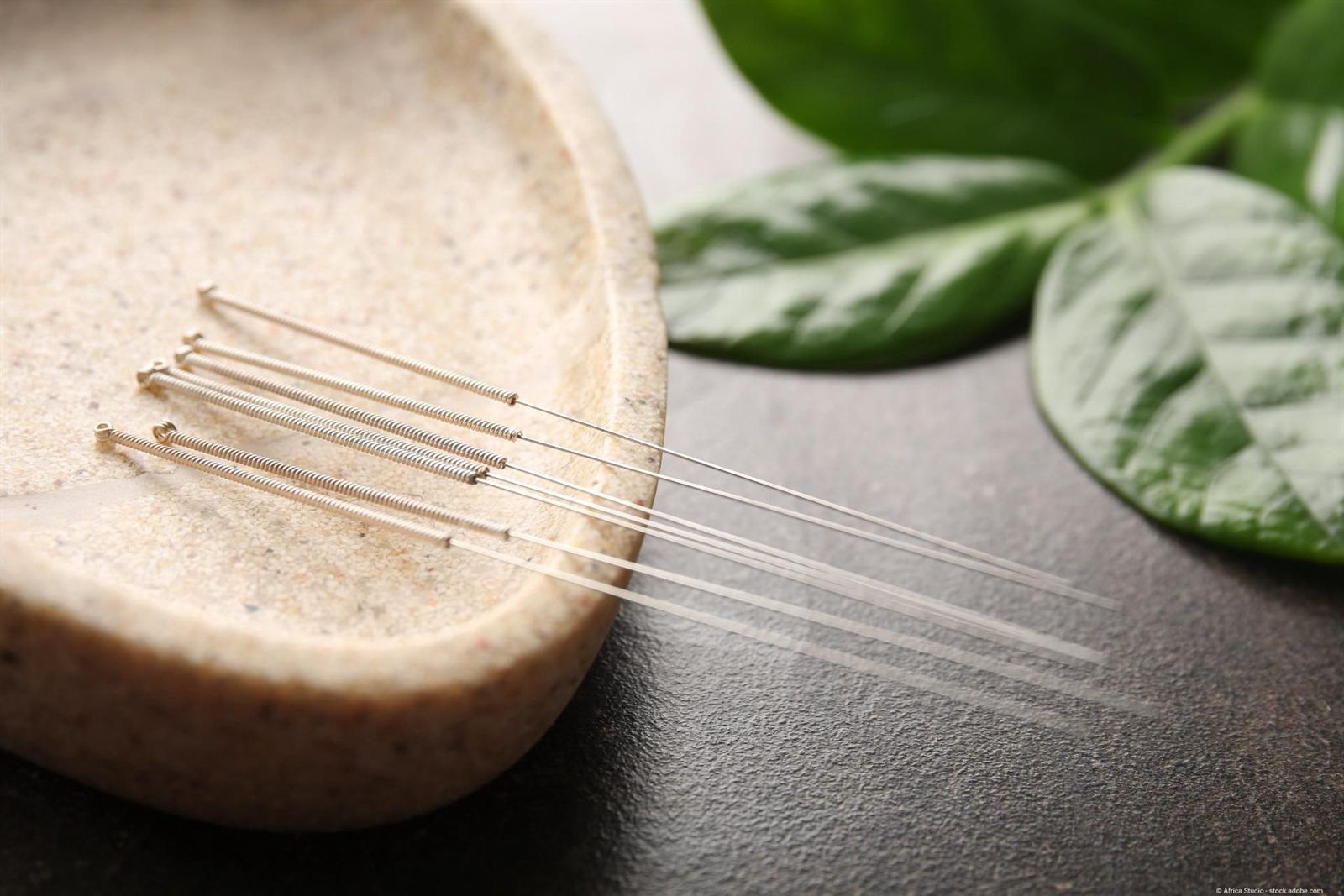
We use acupuncture and ear acupuncture as a complement – for pain, hormonal and cycle disorders, exhaustion or fertility.
 Example image
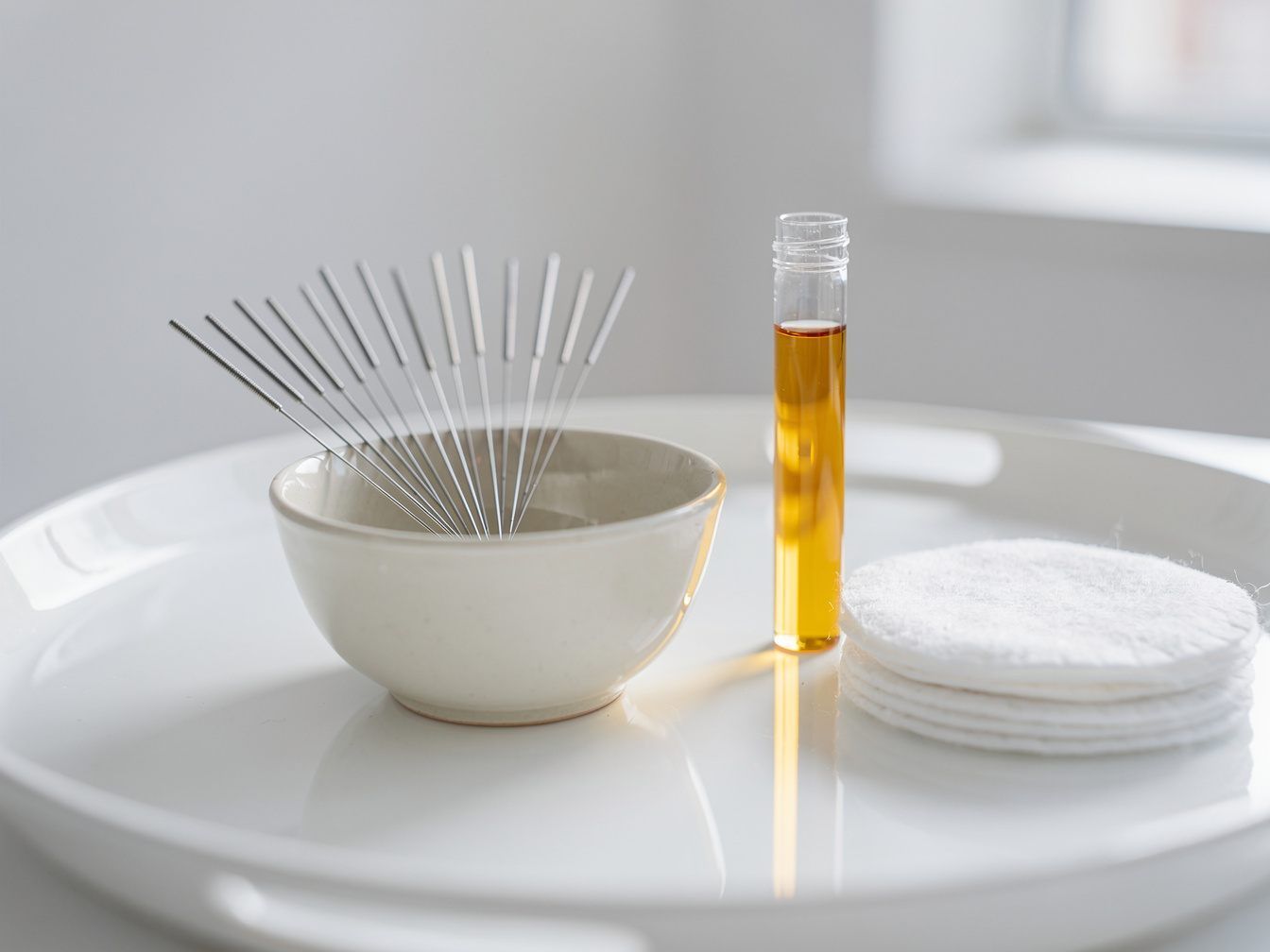
PLACU therapy combines platelet-rich plasma from your own blood with selected acupuncture points – a complementary method.
We are happy to be there for you too
Do you have unexplained symptoms and would like medical advice, or are you coming to us with an existing diagnosis? We warmly welcome you to our practice in the centre of Munich.