 Example image
Menopause
We support you through the menopause – with time for your questions, hormone analysis and treatment with or without hormones.

Gynaecology · Natural hormone therapy
Nature-identical. Individual. Carefully weighed up.
Bioidentical hormones are identical in structure to the hormones your body produces itself. At our practice in Munich, we use them in a targeted way – for example during the menopause or in cases of progesterone deficiency. The basis is a detailed consultation, a hormone analysis and a careful weighing of benefits and risks.
When to come to us
Hot flushes, sleep problems, mood swings or vaginal dryness are affecting your everyday life. You would like to know whether hormones are an option for you.
Breast tenderness, spotting before your period or restless sleep in the second half of the cycle can point to too little progesterone.
You would prefer to use bioidentical rather than synthetic hormones and would like detailed advice on this.
You are already taking hormones and would like to know whether the active ingredient, form and dose still suit you.
Our approach
At our practice, hormone therapy does not begin with a prescription but with questions. In the first consultation, we take time for your symptoms, your history and your family risks. A hormone analysis shows where your body stands. Only then do we discuss whether therapy makes sense. If it does, we use bioidentical hormones at the lowest possible dose and for as long as necessary. Options include bioidentical progesterone, oestradiol or oestriol, for example – in a form that suits you. We also take naturopathic methods, the thyroid and your lifestyle into account alongside this. Regular check-ups are, of course, part of it.
Bioidentical hormones are also effective medicines with possible risks; we regard naturopathic additions as supportive care whose benefit is not proven for every application – we weigh up together what is an option for you.
Careful and personal
We discuss your symptoms, wishes, previous illnesses and family risks. Together we weigh up whether, and which, hormone therapy is an option for you.
Laboratory values show which hormones are lacking. If needed, we also include the thyroid, vitamin D and other values.
Before hormone therapy, your gynaecological check-up should be up to date. This includes an examination, ultrasound and a breast examination.
Depending on your needs, bioidentical progesterone, oestradiol or oestriol may be options – as a gel, cream, capsule or suppository, as a ready-made medicine or a pharmacy-prepared formulation.
At regular intervals we review the effect, tolerability and your levels and adjust the therapy. This keeps the dose as low as possible.
Herbal remedies, acupuncture and micronutrients can complement treatment. If hormones are not an option for you, we discuss these approaches as an alternative without hormones.
From research
Over more than four decades, more than 400 scientific publications have been written – on gynaecology, oncology, environmental medicine, hormones, immunology and naturopathy. This knowledge informs every consultation with your gynaecologist in Munich.
Vitamin D – ein wichtiges und interessantes Hormon, Ihre Gesundheit, 5- 2015
Morbus Hashimoto und Progesteronmangel, Liv Vivendi, 1/2013
Hashimoto-Thyreoiditis, Östrogen-Dominanz und Progesteronmangel, Zeitschrift der Ärzte für Naturheilverfahren (ZAEN), 6/2012, S. 32–34
Morbus Hashimoto, Progesteronmangel, Östrogendominanz, Menopause-Kongress, Universität Wien, 7.–9.12. 2012
Is this right for me?
After breast cancer or other hormone-dependent tumours, after thrombosis, stroke or heart attack and with certain liver diseases, hormone therapy is often not possible. In that case, we discuss hormone-free approaches. We investigate unexplained bleeding before any therapy. If bleeding is heavy, you can reach the on-call medical service on 116 117.
In four steps
Call us on 089 299655 or book online via Doctolib. Please bring any medical reports, laboratory results and a list of your medication.
We talk about your symptoms, previous illnesses and family risks. A gynaecological examination, ultrasound and a blood sample for the hormone analysis follow.
We go through your results and weigh up benefits and risks. Together we decide whether, with what and in what form you are treated.
We support you, review the effect and tolerability at regular intervals and adjust the therapy if needed.
Transparent from the start
Whether your health insurer covers the cost of a hormone preparation depends on the preparation and the reason for treatment. Extended hormone analyses and naturopathic additions are usually self-pay services under the German medical fee schedule (GOÄ) for patients with statutory health insurance (GKV). Private health insurers reimburse depending on the policy. We will tell you before treatment what the costs will be. That way, you can decide without pressure.
What our patients say
“After moving to Munich, I was looking for a new gynaecologist and came across this practice. From the very first appointment I felt I was in very good hands. The whole practice team is exceptionally friendly. The medical assistants …”
“A very pleasant practice with friendly staff and a competent doctor. Getting an appointment was straightforward, the waiting time was short and I felt at ease from the start. Many thanks for the wonderful care!”
“Competent doctor!”
Expertise, clearly explained
The background in detail – click to expand.
Bioidentical hormones have exactly the same chemical structure as the hormones the female body produces itself. These are mainly oestradiol, oestriol and progesterone. They are usually made in the laboratory from plant-based starting materials, for example from yam root or soy. The word “natural” therefore refers to the structure, not to the hormones coming directly from plants. Synthetic hormones, such as those found in many contraceptive pills, are by contrast chemically modified. Bioidentical hormones are available as licensed ready-made medicines and as preparations made up individually by a pharmacy. In the specialist literature they are also called nature-identical hormones.
Progesterone, the corpus luteum hormone, is produced after ovulation. It prepares the lining of the uterus for pregnancy and balances the effect of oestrogen. In the years before the menopause, it is often the first hormone to fall, because ovulation becomes more irregular. Sleep problems, breast tenderness, irritability or heavy bleeding can then occur. Bioidentical progesterone can make up for such a deficiency. During oestrogen therapy, a progestogen such as progesterone protects the lining of the uterus for as long as the uterus is present. Among other work on this hormone, Prof. Dr. Schulte-Uebbing has published “Progesterone – the all-rounder hormone” (Liv, 2012; published in German).
With the menopause, the production of oestrogen in the ovaries declines. This can cause hot flushes, sweating episodes, sleep problems, mood swings and vaginal dryness. In the long term, oestrogen deficiency also affects bones, skin and mucous membranes. According to current knowledge, bioidentical oestradiol applied through the skin, for example as a gel or patch, is regarded as a favourable form because it does not pass through the liver first. For vaginal dryness, local treatment with oestriol is often an option, as it hardly passes into the rest of the body. We decide individually which form, dose and duration suit you. You can read more on our menopause page.
Every hormone therapy has benefits and risks – including with bioidentical hormones. “Bioidentical” does not automatically mean free of side effects. Depending on the form, duration and your personal history, the risk of thrombosis or breast cancer, for example, may change. According to current knowledge, the balance of benefit and risk in healthy women is particularly favourable when therapy begins close to the menopause. That is why detailed advice, gynaecological check-ups and regular monitoring are part of every hormone therapy. This allows you to make an informed decision. We take the time you need for this.
Besides oestrogen and progesterone, other hormones play a role. These include DHEA, a precursor of the sex hormones that is produced in the adrenal glands. Thyroid hormones and vitamin D, which acts like a hormone in the body, are also important. Prof. Dr. Schulte-Uebbing has worked on natural hormone therapy for many years. His publications include “Hormone replacement with 7-keto-DHEA – a brief overview” (CO MED, 2010; published in German). Another contribution is “Vitamin D – an important and interesting hormone” (Your Health, 2015; published in German). We use a hormone analysis to clarify whether other hormones are relevant for you.
Good questions. Clear answers.
Can't find your question? Give us a call – we will take the time.
Bioidentical hormones are built chemically in exactly the same way as the body's own hormones. Synthetic hormones are chemically modified so that, for example, they act more strongly or for longer as a tablet. This can bring different effects and side effects. We discuss individually which form suits you.
Yes, that is possible. Bioidentical hormones are also effective medicines. Depending on the form and dose, for example breast tenderness, bleeding between periods or tiredness can occur. Risks such as thrombosis cannot be ruled out either. That is why we weigh things up carefully before therapy and carry out regular check-ups.
They are an option mainly for women with troublesome menopausal symptoms and for women with proven progesterone deficiency. Whether they are suitable for you depends on your symptoms, your age, your previous illnesses and your family risk. We clarify this in a detailed consultation and with a hormone analysis.
Bioidentical hormones are available as a gel or cream for the skin, as a patch, as a capsule to swallow and as a vaginal suppository or cream. Oestrogen through the skin is regarded as a gentle form. We decide together which application suits you – including what fits easily into your everyday life.
That varies from person to person. Some women notice a change after just a few weeks; for others it takes longer. How well the therapy works cannot be predicted with certainty beforehand. We arrange follow-up appointments, discuss your experiences and adjust the therapy if needed.
There is no fixed limit. We use hormones for as long as benefits and risks are in a good balance. Together we regularly review whether the therapy still makes sense and whether the dose can be reduced. We plan any stopping with you step by step.
A hormone analysis is the foundation at our practice. During the menopause, we make the diagnosis mainly on the basis of your symptoms. Laboratory values help to put the situation in context and to rule out other causes such as a thyroid disorder. If progesterone deficiency is suspected, the timing of the blood sample within your cycle is important.
After breast cancer or other hormone-dependent tumours, hormone therapy is generally not advisable. If you have symptoms, we then look for hormone-free approaches, for example for vaginal dryness. We coordinate this with your treating oncologists.
That depends on the preparation and the reason for treatment. Statutory health insurance (GKV) reimburses many approved hormone preparations. Extended hormone analyses and naturopathic additions are usually self-pay services under the German medical fee schedule (GOÄ). We will tell you in advance what the costs will be.
Where to read next
Example image
We support you through the menopause – with time for your questions, hormone analysis and treatment with or without hormones.
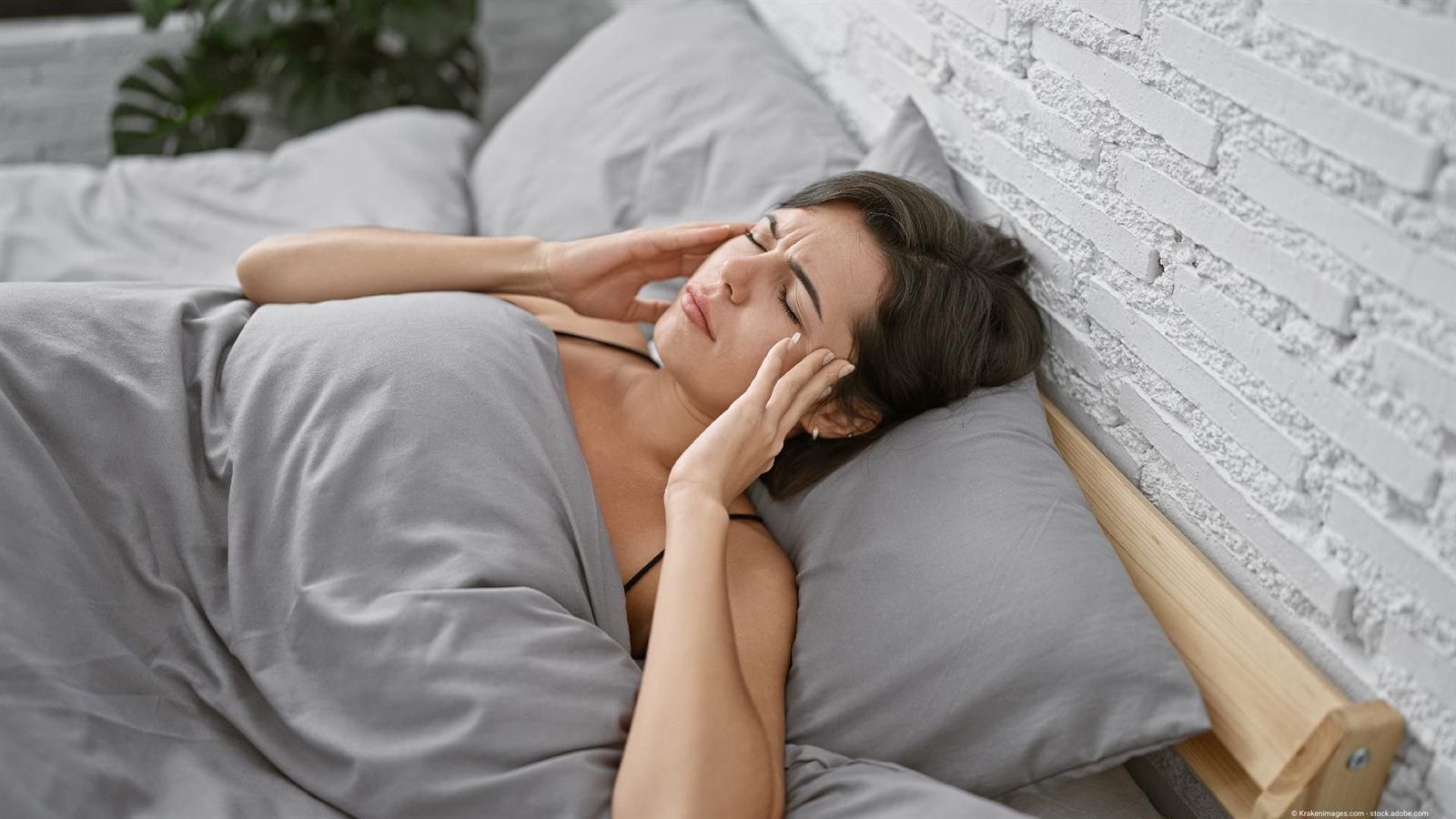
We look for the cause of your hormonal disorder – with a thorough hormone analysis and a treatment that suits you.
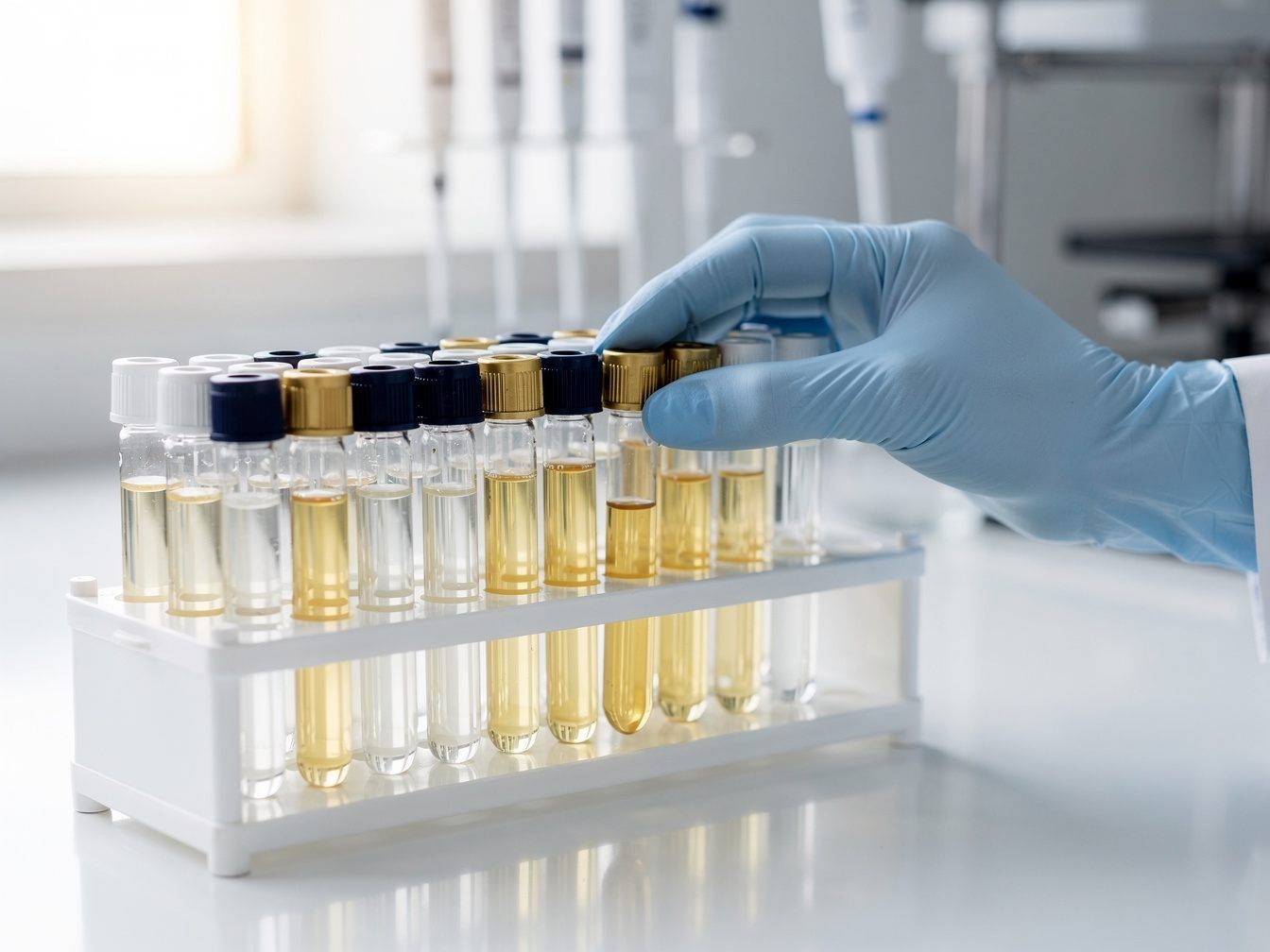 Example image
Laboratory tests and hormone analysis show what may be behind symptoms – as the basis for targeted, individual treatment.
We are happy to be there for you too
Do you have unexplained symptoms and would like medical advice, or are you coming to us with an existing diagnosis? We warmly welcome you to our practice in the centre of Munich.