 Example image
Allergies & intolerances
We investigate allergies and intolerances thoroughly, put findings into honest perspective and support you holistically.

Environmental medicine · Help for people with tattoos
Factual advice. Before and after the tattoo.
Tattoos are widespread, and their colours stay in the body for life. Prof. Schulte-Uebbing has researched and published for years on toxicological, endocrinological, immunological and gynaecological aspects of tattoos. We advise you before or after getting a tattoo and assess skin reactions or questions about possible consequences.

When to come to us
You are planning a tattoo and would like to know what to consider with allergies, skin conditions, a wish to have children or pregnancy.
Itching, swelling, bumps or redness on a tattoo – even years later or in the sun.
You wonder what is in tattoo inks and whether these substances can burden the body.
An ultrasound, MRI or screening examination is coming up, or a finding in you as a person with tattoos needs to be interpreted.
Our approach
We meet people with tattoos without prejudice and without scaremongering. In conversation we establish which tattoos you have, since when, with which colours and whether symptoms have occurred. We look at affected areas of skin and, where useful, examine nearby lymph nodes with ultrasound. Laboratory tests can add to this, for example if an allergy is suspected. Prof. Schulte-Uebbing's research on ingredients, the immune system and hormones informs this. Much is still scientifically open; we tell you that honestly. The aim is to answer your questions soundly, put symptoms in context and, where needed, refer you to the right specialty, for example dermatology.
Many questions about the long-term effects of tattoo inks have not yet been settled scientifically; we put the state of research into perspective factually, without playing it down or dramatising it.
Careful and personal
We discuss allergies, skin conditions, medication, a wish to have children and pregnancy, and what to look out for with studio and inks.
We look at the skin, assess redness, bumps or itching and, where needed, recommend additional treatment by a dermatologist.
If an intolerance to tattoo inks is suspected, we assess allergies. More on the Allergies & intolerances page.
Colour pigments can deposit in lymph nodes. We take this into account in ultrasound and screening and interpret findings accordingly.
We explain what is known about pigments, metals and other components of tattoo inks – and what is still open.
From research
Over more than four decades, more than 400 scientific publications have been written – on gynaecology, oncology, environmental medicine, hormones, immunology and naturopathy. This knowledge informs every consultation with your gynaecologist in Munich.
Basiswissen “Tattoos” für Klinik und Praxis, gyn (29) 2024, S.271-275
Tätowierungen und mögliche gynäkologische Folgeerkrankungen, JATROS Gynäkologie und Geburtshilfe 2/ 2024, S.6 ff.
Tätowierungen – mögliche gynäkologische Folgeerkrankungen, Menopause- Andropause- Kongress, Universitäts-Frauenklinik, Wien, 12/ 2023
Tattoos – Immunologische, endokrinologische und onkologische Aspekte, Onko- Tagung, München, 5 / 2023
Is this right for me?
With rapidly spreading redness, swelling, pus or fever after a fresh tattoo you need medical help promptly – outside consultation hours via the on-call service 116 117, and with shortness of breath via the emergency number 112. Skin conditions are treated by a dermatology practice.
In four steps
By phone on 089 299655 or online via Doctolib. Make a note of when you had which tattoos done.
We talk about your tattoos and symptoms and examine the affected areas, with ultrasound if needed.
We explain what is known and what is not, and set the next steps, including the costs.
Where needed, we monitor progress or recommend additional specialist treatment, for example in dermatology.
Transparent from the start
Patients with statutory health insurance (GKV) and private health insurance are welcome here. The assessment of symptoms, for example a skin reaction, is billed through your health insurer, depending on your insurance status. For illnesses resulting from a tattoo, however, the law provides that statutory health insurers involve insured people in the costs. Pure advice before getting a tattoo, without symptoms, is generally a self-pay service under the German medical fee schedule (GOÄ). We will tell you beforehand what costs to expect.
What our patients say
“Competent doctor!”
“Absolutely recommendable! Both the professor and the staff are competent, kind and friendly.”
“Wonderful doctor. I went there with my wife to accompany her because she was so terribly afraid. She says so herself too. He is very empathetic and gives you a great feeling of being in very, very good hands there. The team is lovely and …”
Expertise, clearly explained
The background in detail – click to expand.
Tattoo inks consist of colour pigments, solvents and binders and other additives. Many bright colours contain organic pigments; black ink is usually made of carbon black. White ink often contains titanium dioxide. Some inks contain traces of metals such as nickel or chromium, which can trigger contact allergies. Since 2022, stricter rules for ingredients of tattoo inks have applied in the European Union. Even so, little is known about the long-term effect of many substances in the body. With sunlight or laser treatment, pigments can break down into other compounds. The consequences of this are being researched.
Only part of the ink stays in the skin. Another part is carried away by the immune system and deposits in nearby lymph nodes. This is usually harmless, but can matter during examinations. Lymph nodes containing pigment can look abnormal on ultrasound, in mammography or during surgery and must be distinguished from other changes. In women this concerns, for example, lymph nodes in the armpit or groin – important for breast cancer screening and aftercare or for operations in the pelvis. Tell your doctors, therefore, that you have tattoos.
After the needle, the skin is a fresh wound. Redness and slight swelling are normal in the first days. Later, allergic reactions can occur, especially with red inks, sometimes only after years. Typical signs are itching, raised areas or bumps limited to one colour. Some reactions get worse with sun. Inflammation, infection or bumps caused by foreign-body reactions also occur. Many of these changes can be treated but belong in medical hands. We look at the area, assess possible allergies and, where needed, recommend additional treatment by a dermatologist.
Prof. Schulte-Uebbing has for years looked at the question of whether components of tattoo inks can affect the immune or hormone system. Some substances, such as certain metals, are discussed as possible endocrine disruptors. Whether health consequences arise from this has not yet been established. He has given talks and published on the subject, including “Toxicology and Immunology of Tattoos” (Med. Woche Baden-Baden medical congress, 2021), “Tattoos: Environmental Medicine, Endocrinological and Immunological Aspects” (DEGUZ congress, Leipzig, 2021) and “Tattoos – Immunological, Endocrinological and Oncological Aspects” (oncology conference, Munich, 2023). We see this work as a contribution to open questions, not as a warning against every tattoo.
In gynaecology, people with tattoos raise their own questions. Prof. Schulte-Uebbing has taken them up with co-authors in several specialist articles, for example “What Gynaecologists Should Know About Tattoos” (Gyn, 2020) and “Tattoos and Possible Gynaecological Sequelae” (JATROS Gynaecology and Obstetrics, 2024). They deal with possible consequences of tattoos for women's health and with what gynaecologists should bear in mind during examinations. During pregnancy and breastfeeding, experts generally advise against new tattoos. Reasons are the risk of infection and the open question of how ingredients affect the child.
Good questions. Clear answers.
Can't find your question? Give us a call – we will take the time.
Experts generally advise against it during pregnancy and breastfeeding. Reasons are the risk of infection and the open question of whether ingredients reach the child. Tattoo removal should also wait during this time. Tattoos you already have are no cause for concern. If you have questions, do speak to us.
An epidural (PDA), the spinal anaesthesia given during labour, is generally also possible for people with tattoos. The anaesthetist usually chooses an injection site in untattooed skin. Raise the subject when you register at the maternity hospital.
Usually yes. Rarely, a feeling of warmth, burning or swelling occurs in the area of tattoos, especially with large, dark tattoos. Tell the staff about your tattoos before the examination. Say so straight away if you notice anything unusual during the examination.
Watch whether the reaction is limited to one colour, whether it is linked to sun and whether it is getting worse. Photograph the area. For mild symptoms, make an appointment for assessment. With rapidly spreading redness, pus, fever or shortness of breath you need medical help straight away: on-call service 116 117 or emergency number 112.
Tattoos do not prevent screening. However, colour pigments can deposit in lymph nodes in the armpit and show up there on ultrasound or mammography. So tell staff at every examination that you have tattoos. That way, findings can be interpreted better and unnecessary worry avoided.
Choose a studio with clean working practices and ask which inks are used. If you have known allergies, skin conditions, blood clotting disorders or weakened defences, talk to your doctor beforehand. Do not have tattoos done over moles, so that they can be monitored. Protect a fresh tattoo from the sun.
In laser removal, colour pigments are broken into smaller particles and carried away by the body. Several sessions are usually needed; scars, pigment changes and pain are possible. Which breakdown products are formed is still being researched. In Germany, since the end of 2020 only doctors with the relevant qualification may remove tattoos by laser. Get medical advice beforehand.
Assessment of symptoms is billed through your health insurer, depending on your insurance status. For illnesses resulting from a tattoo, the law provides that statutory health insurers involve insured people in the costs. Pure advice without symptoms is usually a self-pay service. We will tell you beforehand what costs to expect.
Where to read next
Example image
We investigate allergies and intolerances thoroughly, put findings into honest perspective and support you holistically.
 Example image
Laboratory tests and hormone analysis show what may be behind symptoms – as the basis for targeted, individual treatment.
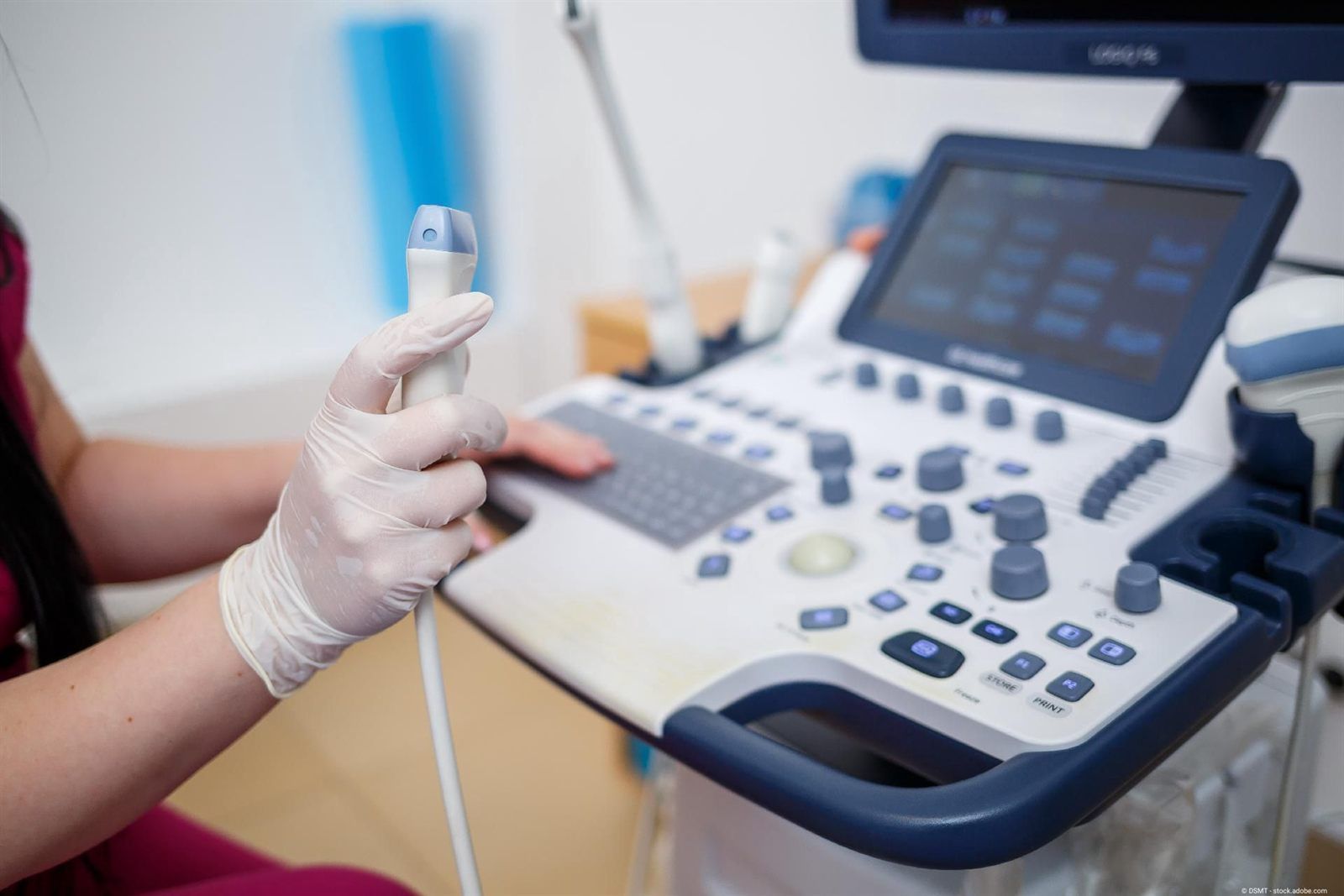
Ultrasound and 4D ultrasound show the uterus, ovaries and breast gently, without radiation and in real time.
We are happy to be there for you too
Do you have unexplained symptoms and would like medical advice, or are you coming to us with an existing diagnosis? We warmly welcome you to our practice in the centre of Munich.