 Example image
Hair loss in women
We look for the causes of your hair loss – hormones, thyroid, nutrients – and support you alongside this with mesotherapy and PRP.

PRP therapy · PRP for hair loss
First the cause, then the treatment.
Thinning hair worries many women. At our gynaecology practice in Munich, we first look for causes such as hormones, the thyroid or nutrient deficiency. As a complement, we offer PRP: platelet-rich plasma from your own blood, injected into the scalp.
When to come to us
Your parting looks wider, your ponytail thinner and your scalp shows through – often gradually over months.
You find clearly more hairs in your brush, the shower or on your pillow and would like to know why.
Hair loss after childbirth, after stopping the pill or during the menopause – here it is worth looking at hormones.
The causes have been investigated, and you are looking for a method using the body's own components as a complement.
Our approach
Hair loss in women has many possible causes. That is why we do not start with the syringe but with a detailed conversation. We look at hormones, thyroid, iron and nutrient balance, medication and everyday stresses. We describe the detailed investigation of causes on our page “Hair loss in women”. If there is a treatable cause, treating it comes first. PRP can be added as a complement. The aim is to support natural hair growth and strengthen the hair roots. For this, we obtain platelet-rich plasma from your blood and inject it into the affected areas of the scalp.
PRP complements the treatment of the cause but does not replace it – the evidence is inconsistent, and no result can be predicted.
Careful and personal
We discuss your history, previous treatments, medication and your expectations – openly and without promises.
Depending on the findings, we test in the lab, for example, the thyroid, hormones and iron. You can read more on our page “Hair loss in women”.
We draw a small amount of blood from an arm vein into special tubes.
In the centrifuge, the blood separates into its components. We obtain the platelet-rich part of the plasma.
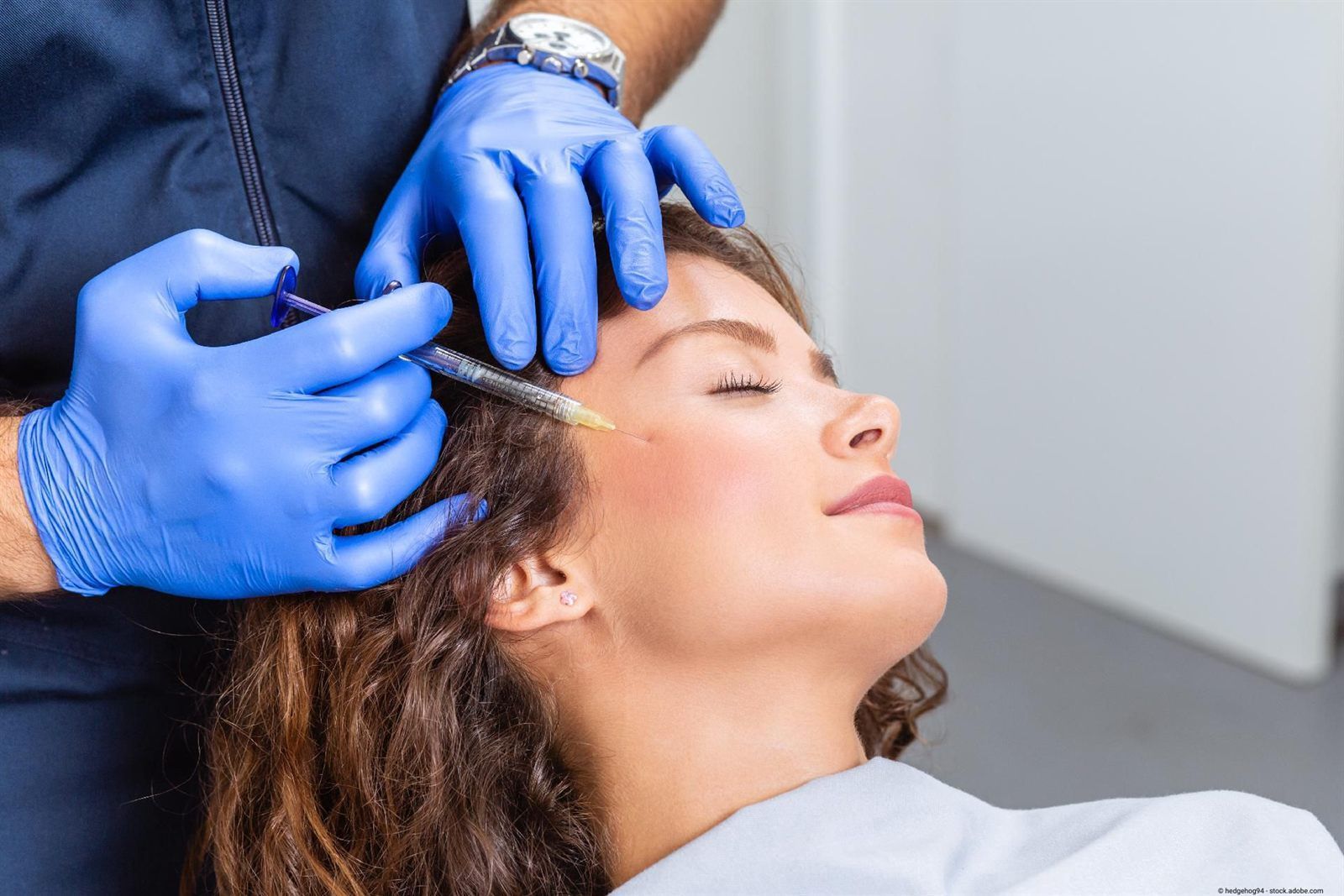
With fine needles, we inject the plasma into the areas of the scalp where the hair has become thinner.
You will receive advice on hair washing and care. We discuss progress with you at agreed intervals.
From research
Over more than four decades, more than 400 scientific publications have been written – on gynaecology, oncology, environmental medicine, hormones, immunology and naturopathy. This knowledge informs every consultation with your gynaecologist in Munich.
PLACU- Therapie in der Gynäkologie (Platelet Acupuncture Therapy), Zeitschrift für Angewandte Komplementärmedizin, 05/ 2024, S. 60-65
Is this right for me?
In alopecia areata or an inflamed or scarring scalp, the diagnosis belongs in dermatological hands. In clotting disorders, acute infections, active cancer, and during pregnancy and breastfeeding, PRP is generally not an option.
In four steps
By phone on 089 299655 or online via Doctolib. Bring any existing findings and a list of your medication.
We take time for your history, look at your hair and scalp and investigate possible causes.
Together we decide whether and how PRP complements your treatment. You will be told in advance what the costs will be.
Blood draw, processing and injection usually take place in the same appointment. We discuss progress with you regularly.
Transparent from the start
PRP for hair loss is a self-pay service. Statutory health insurance (GKV) generally does not cover it, and private health insurers mostly do not either. Billing is under the German Fee Schedule for Physicians (GOÄ). Investigating the causes, for example lab tests on the thyroid, may however be covered by insurance depending on the findings and the insurer. We will tell you before treatment what the costs will be.
What our patients say
“Wonderful doctor. I went there with my wife to accompany her because she was so terribly afraid. She says so herself too. He is very empathetic and gives you a great feeling of being in very, very good hands there. The team is lovely and …”
“Very friendly and competent team. I have been a patient for years and am very satisfied, especially with the immune infusions, particularly after past illnesses/operations.”
“I have been a patient of Prof. Dr. Schulte-Uebbing for many years and have always been treated very kindly and attentively. The staff are very friendly and the doctor is very competent. Prof. Dr. Schulte-Uebbing always takes time to treat me competently …”
Expertise, clearly explained
The background in detail – click to expand.
Thinning hair in women has different causes. Hereditary hair loss, androgenetic alopecia, is common: the hair roots are sensitive to male hormones, and the hair thins mainly at the parting. Diffuse hair loss can occur after infections, operations, severe stress or childbirth – often only weeks to months later. Thyroid conditions, iron deficiency, strict diets and some medications are also possible causes. In alopecia areata, the immune system attacks the hair roots. Because treatment depends on the cause, assessment always comes first in our practice. We describe it in detail on our page “Hair loss in women”.
Hair grows in cycles of a growth phase, a transition phase and a resting phase. In hereditary hair loss, the growth phase becomes shorter and the hairs become finer. PRP treatment is based on the idea that growth factors from the platelets stimulate the hair roots and promote blood flow to the scalp. The aim is for hairs to stay in the growth phase for longer and grow back stronger. Whether and how strongly this works for you cannot be said in advance. Where hair roots have been permanently destroyed, for example in scarring hair loss, PRP cannot make new hair grow either.
PRP for hair loss has mainly been studied in hereditary hair loss. The results are inconsistent. One reason is that the processing of the plasma, the number of treatments and the intervals between them differ from study to study. PRP is therefore not yet considered a standard treatment but a possible complement. For you, this means we give you honest advice, state the limits of the method and promise no result. We also discuss other options with you, for example medication after medical assessment. Studies usually assess progress over several months – the same patience is needed in practice.
As a gynaecology practice, we also view hair loss in connection with hormones. Oestrogens, progesterone, male hormones and thyroid hormones influence hair growth. Typical phases with hair changes are the time after childbirth, stopping hormonal contraception and the menopause. Polycystic ovary syndrome (PCOS) – a common hormonal disorder of the ovaries – can also be accompanied by thinning scalp hair. For many years, Prof. Schulte-Uebbing has worked scientifically on Hashimoto's disease, a chronic inflammation of the thyroid, as well as on progesterone deficiency and oestrogen dominance. This knowledge informs the assessment.
After the injection, the scalp may be red, tight or tender for a short time. Mild headaches or small bruises are also possible. These reactions usually subside quickly. When you can wash, colour or blow-dry your hair again, we discuss with you after the treatment. Hair grows slowly. Whether anything changes can therefore only be judged after months. It makes sense to record the starting point, for example with photos in the same lighting conditions. This allows progress to be assessed objectively. Contact us if your scalp becomes very painful or swollen or you develop a fever.
Good questions. Clear answers.
Can't find your question? Give us a call – we will take the time.
That cannot be answered in general terms. PRP has mainly been studied in hereditary hair loss, with inconsistent results. How your hair will respond cannot be said beforehand. We therefore promise no result. What matters is to establish and treat the cause first. PRP can then be a complement.
This varies from person to person. PRP on the scalp is often given as a series of several treatments a few weeks apart, later with top-up sessions where appropriate. We decide together how many appointments make sense in your situation and adapt the plan to how things go.
The scalp is sensitive, and the many small pricks can be uncomfortable. Whether and how we numb the scalp beforehand, for example with cold or a cream, we discuss with you. Afterwards, the scalp may feel tight or tender for a short time.
No, generally not. The plasma is injected into the scalp between the hairs with fine needles. We give you advice on preparation, for example on hair washing and styling products, when you make your appointment.
Yes. The focus is on treating the cause, for example a thyroid condition, an iron deficiency or a hormonal disorder. As a complement, our practice also offers mesotherapy – the targeted application of selected active substances in the skin. We decide together which combination suits you.
Hair grows slowly, and a hair cycle is long. Whether anything changes can therefore be judged after several months at the earliest. We cannot promise you a particular result. It makes sense to record the starting point so that you and we can assess progress objectively.
PRP for hair loss is a self-pay service under the German Fee Schedule for Physicians (GOÄ). Statutory and private health insurers generally do not cover it. Examinations to establish the cause may however be covered by insurance depending on the findings and the insurer. We will tell you before treatment what the costs will be.
PRP is generally not recommended during pregnancy and breastfeeding. Hair loss some months after childbirth is common and hormone-related; the hair usually grows back by itself. We are happy to check whether there is also an iron deficiency or a thyroid disorder – both occur after childbirth.
Where to read next
Example image
We look for the causes of your hair loss – hormones, thyroid, nutrients – and support you alongside this with mesotherapy and PRP.
 Example image
We consider Hashimoto's disease together with the thyroid, hormones and the wish to have a child, and support you holistically.
 Example image
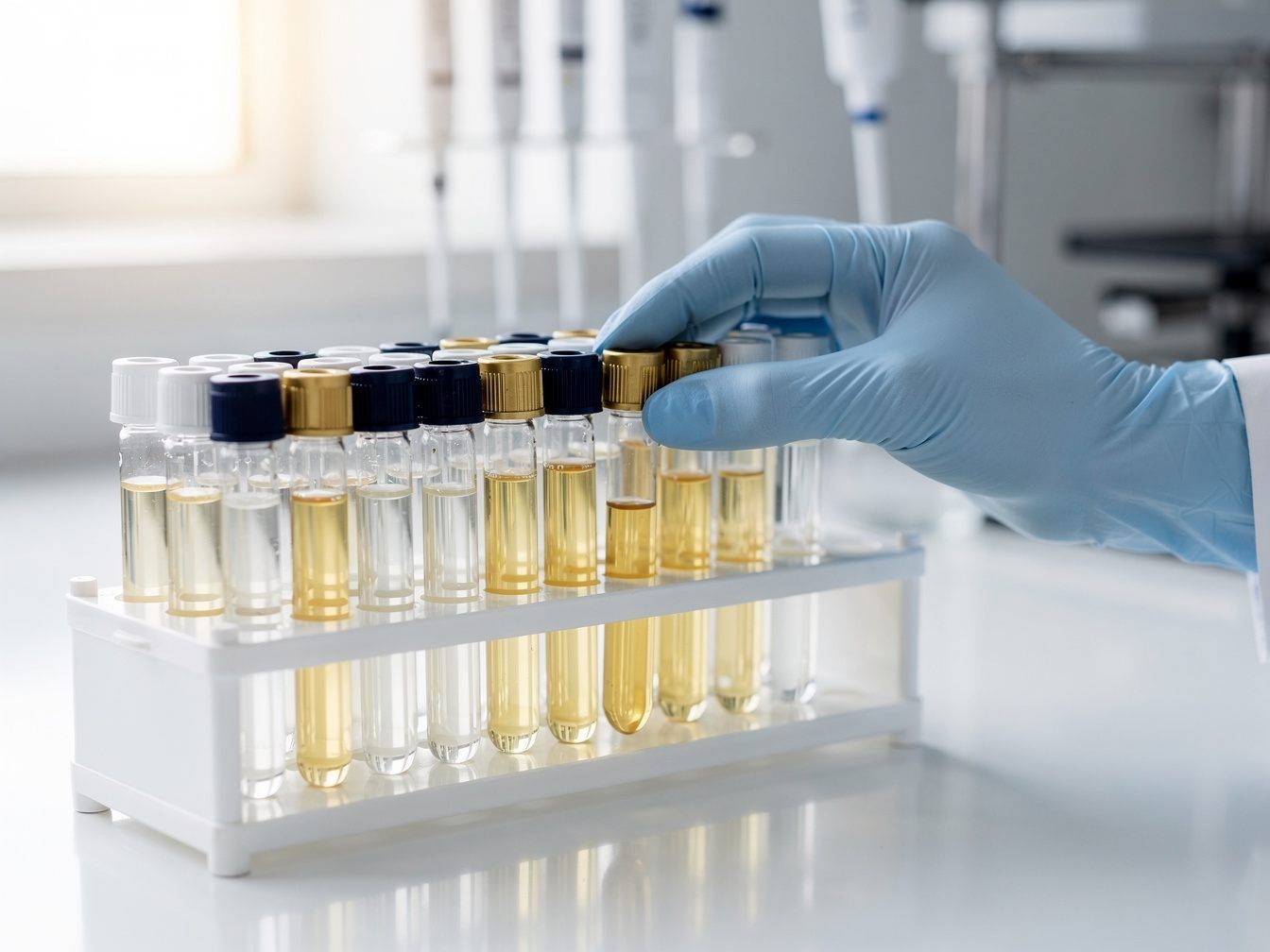
Laboratory tests and hormone analysis show what may be behind symptoms – as the basis for targeted, individual treatment.
We are happy to be there for you too
Do you have unexplained symptoms and would like medical advice, or are you coming to us with an existing diagnosis? We warmly welcome you to our practice in the centre of Munich.